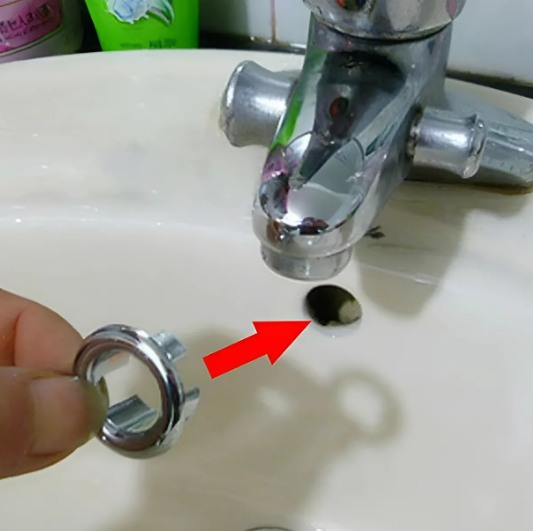
Most people notice the little opening near the upper edge of their bathroom sink but never give it a second thought. However, that small detail, known as the overflow hole, is an essential part of the sink’s overall design. It’s not there for decoration or style; it serves a critical purpose that protects both your bathroom and your home from unnecessary trouble.

The Essential Role of the Overflow Hole
Although it appears insignificant, the overflow hole is a built-in safety mechanism. Its main goal is to manage unexpected rises in water levels and maintain smooth drainage. By offering an escape route for excess water, it prevents your sink from flooding if something goes wrong or if you simply forget that the tap is running.
How It Prevents a Mini Flood
Life gets busy — maybe you walk away to answer the phone, check on something boiling in the kitchen, or talk to someone at the door. During those small moments of distraction, the water in your sink can climb surprisingly fast, especially if the drain is clogged or slow.
Once the water level reaches the overflow hole, it gets safely channeled back into your plumbing system. This redirection stops water from spilling over the sink’s edge, saving your bathroom floor, cabinets, and walls from potential water damage.
In other words, the overflow hole acts as a quiet guardian: always present, rarely noticed, but extremely valuable.
A Smart Solution Built Into Everyday Design
The inclusion of this small feature shows how much thought goes into creating even the simplest household fixtures. Sink designers understand that accidents happen — people forget, drains clog, and water rises. The overflow system is a preemptive solution to an extremely common problem, showing how practical engineering can prevent costly disasters.
Even though it may seem like a tiny, insignificant detail, this opening is part of a larger system that ensures the sink functions safely and efficiently under different circumstances.
When the Overflow Hole Becomes a Problem
Despite its usefulness, the overflow hole has its own challenges. Because of its narrow and hidden structure, it easily traps:
- Soap scum
- Water droplets
- Dust and debris
- Residue from toothpaste or cleaning products
Over time, all this buildup creates the perfect environment for bacteria and mold. When these microorganisms accumulate, they often produce unpleasant, musty odors that drift out of the hole. Those foul smells can spread into your bathroom, making the area feel dirty even if you clean regularly.
If you notice an odd scent coming from your sink, chances are the overflow hole is the source.

How to Clean the Overflow Hole Properly
Fortunately, keeping this part of the sink fresh and hygienic is simple and doesn’t require special tools or harsh chemicals. Here’s an easy cleaning routine:
Make a Cleaning Mixture
Combine equal parts baking soda and vinegar. This classic household blend creates a bubbling reaction that helps loosen grime, soften residue, and break down odor-causing buildup.
Pour the Mixture Into the Hole
Slowly pour the solution into the overflow opening. Allow it to sit for about five to ten minutes so it can penetrate and dissolve the material hiding inside.
Flush With Warm Water
After the mixture has worked, rinse the hole thoroughly using warm water. This clears out loosened debris and leaves the internal passage cleaner and free-flowing.
Doing this regularly helps your sink stay odor-free and prevents bacteria from accumulating in the future.
Final Thoughts
That small opening on your sink might seem like a minor detail, but it is actually a crucial part of how the sink works. It prevents accidental flooding, protects your bathroom from unnecessary water damage, and keeps your sink functioning safely.
While it can occasionally trap dirt and cause unpleasant smells, a bit of routine cleaning ensures it stays fresh and operates properly. Understanding how this small but essential feature works can help you maintain a cleaner, safer, and more reliable bathroom sink.