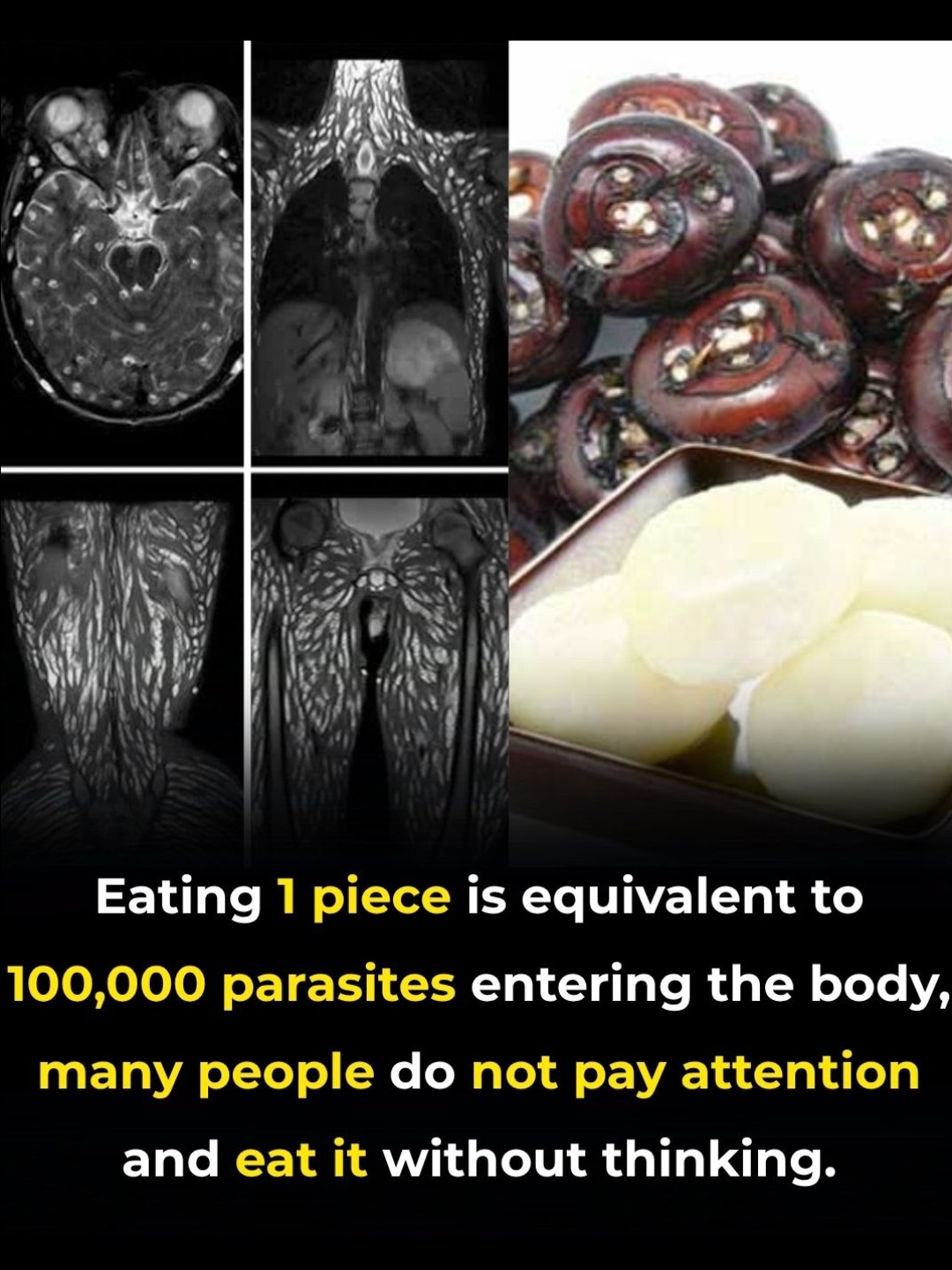
Parasitic infections are far more common—and far more persistent—than many people realize. Unlike bacteria, which are often destroyed by refrigeration or light cooking, parasites are highly resilient organisms capable of surviving cold temperatures and mild heat. Once they enter the human body, they can remain hidden for months or even years, quietly causing damage long before symptoms become obvious.
The most common parasites that affect humans include tapeworms, roundworms, and protozoa. These organisms are frequently transmitted through contaminated food and water and are responsible for a wide range of health problems worldwide. According to the World Health Organization, more than 3.5 billion people are affected by parasitic infections each year—a staggering figure that highlights just how widespread the issue is.
Once inside the body, parasites can do far more than cause short-term stomach upset. Some species are capable of migrating beyond the digestive system, traveling to muscles, organs, or even the brain. Over time, this can lead to chronic digestive disorders, persistent fatigue, nutrient deficiencies, and in severe cases, life-threatening complications.
Foods Most Commonly Linked to Parasitic Infections
Undercooked Meat and Fish
Meat that is raw or insufficiently cooked remains one of the most common sources of dangerous parasites. Pork, beef, and fish are particularly high-risk when consumed undercooked.
Undercooked pork can carry parasites that cause trichinosis and cysticercosis, conditions that may affect muscles and, in some cases, the brain. Rare or raw beef products, such as tartare or undercooked steaks, can transmit tapeworms that lead to abdominal pain, weight loss, and long-term fatigue. Raw or lightly prepared fish—often consumed as sushi, ceviche, or smoked fish—can harbor parasites that cause severe stomach pain, vomiting, and allergic reactions.
To reduce risk, meat and fish should always be cooked to safe internal temperatures. Pork and fish should reach at least 63°C (145°F), while ground beef should be cooked to 71°C (160°F). Raw pork should never be consumed. Although sushi-grade fish is typically frozen to kill parasites, this process is not foolproof.
Raw or Undercooked Shellfish
Shellfish such as oysters, clams, and mussels pose a unique risk because they are filter feeders. As they filter water, they can accumulate parasites from polluted environments. Raw shellfish have been linked not only to bacterial infections, but also to parasitic illnesses that affect the liver and intestines.
Shellfish should always be cooked until the shells open and the flesh becomes opaque. Individuals with weakened immune systems, as well as pregnant women, should avoid raw shellfish entirely.
Unwashed Fruits and Vegetables
Fresh produce is often associated with health, but it can also be a source of infection if not properly cleaned. Fruits and vegetables grown in soil contaminated with animal or human waste may carry parasite eggs that cling to their surfaces.
Infections from contaminated produce can cause prolonged diarrhea, bloating, abdominal pain, and serious complications during pregnancy. Thorough washing under running water is essential. Firm produce should be scrubbed with a brush, while leafy greens benefit from soaking in a vinegar-water solution before rinsing. Simply rinsing quickly is often not enough to remove parasite eggs.
Unpasteurized Dairy Products
Raw milk and unpasteurized dairy products, particularly soft cheeses, can harbor parasites that survive refrigeration and resist standard water treatment methods. Pasteurization remains one of the most effective ways to eliminate these organisms. Pregnant women and individuals with compromised immune systems should strictly avoid unpasteurized dairy products.
Contaminated Water
Unsafe water remains one of the leading transmission routes for parasitic infections worldwide. Drinking contaminated water, brushing teeth with it, or washing food in it can expose individuals to parasites that cause severe gastrointestinal illness and dehydration. This risk is particularly high during travel in regions with limited water treatment infrastructure.
To stay safe, water should be boiled for at least one minute, filtered with certified purification systems, or treated with purification tablets. Ice made from untreated water should be avoided in high-risk areas.
How to Protect Yourself
Preventing parasitic infections does not require fear—only awareness and consistency. Cooking meat thoroughly, freezing fish intended for raw consumption, washing produce carefully, avoiding raw or undercooked animal products, and drinking clean water are among the most effective protective measures.
A Matter of Awareness, Not Alarm
Good health does not depend on extreme caution or constant worry. Often, it comes down to small, deliberate choices: cooking food properly, washing vegetables thoroughly, and refusing unsafe options when necessary.
Respecting what cannot be seen is a powerful act of self-care. When you take the time to protect your body from unseen threats, you are not just avoiding illness—you are investing in long-term well-being.
And when you finally sit down to enjoy that steak, sushi, or salad, you can do so with confidence, knowing you took every reasonable precaution. That peace of mind is not just satisfying—it’s protective.