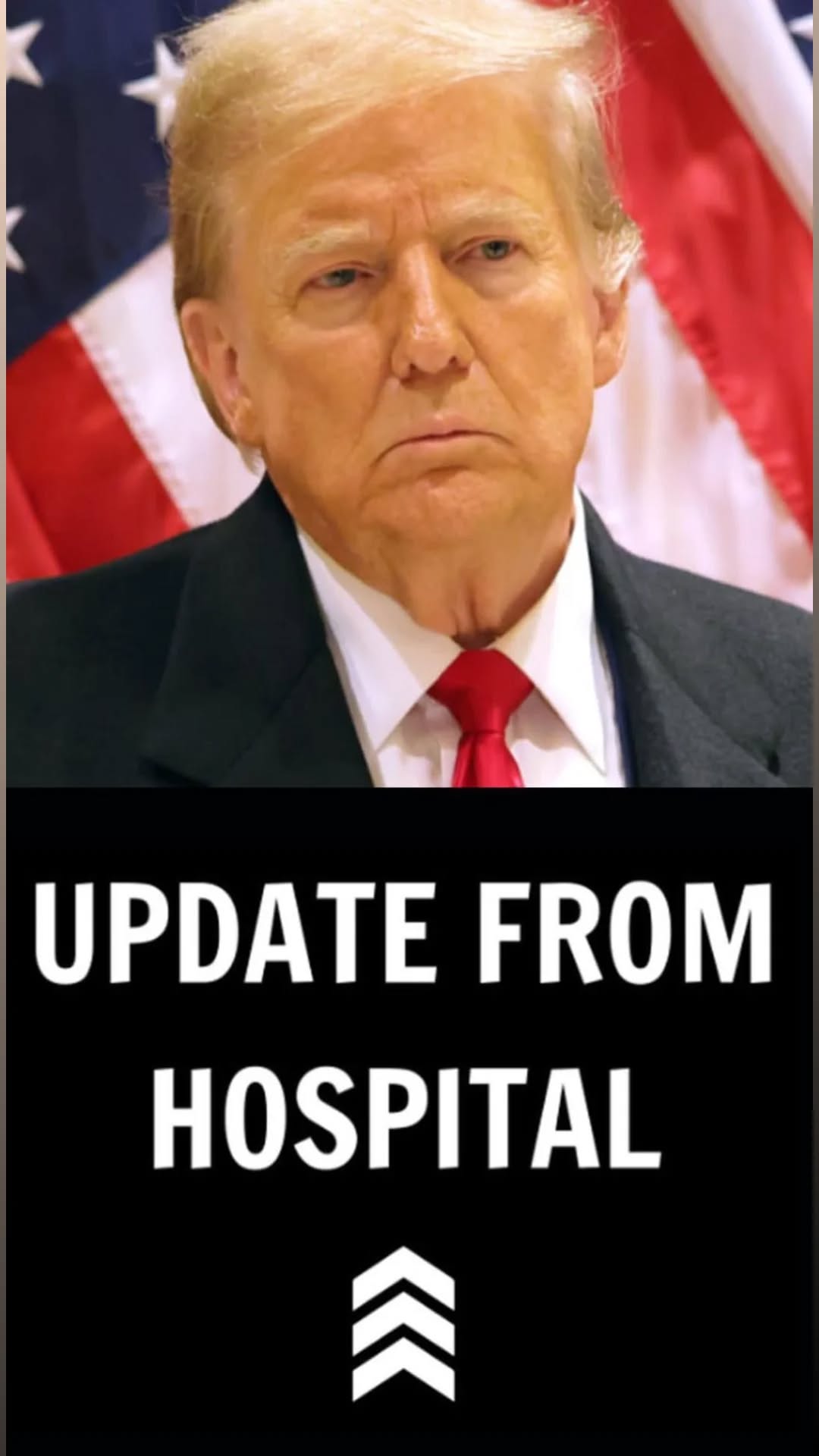
When cardiologist and Jonathan Reiner, a professor of medicine at George Washington University, watched Donald Trump deliver a recent 20-minute address, his attention was not drawn to policy positions or political messaging. Instead, Reiner focused on Trump’s physical presentation and manner of speech—what he described as a striking and potentially troubling shift in demeanor.
According to Reiner, Trump’s voice was unusually elevated, his speech rushed, and his delivery so compressed that it resembled listening to a recording at double speed. He characterized the cadence as “manic,” noting that it conveyed a sense of urgency and agitation rather than control. For a sitting or aspiring commander-in-chief, Reiner argued, such a presentation can feel unsettling, as it suggests a loss of composure playing out publicly.
Reiner’s concerns, however, extend beyond a single speech. He has also pointed to repeated reports alleging that Trump has been seen dozing off during meetings, including while in the Oval Office and during cabinet-level discussions. Reiner described this pattern as “increased daytime somnolence,” a medical term that can indicate underlying health issues such as untreated sleep apnea, disrupted sleep cycles, or other physiological conditions that affect alertness.
In his professional assessment, the contrast between reported daytime drowsiness and episodes of intense, frenetic speech raises questions that should not be dismissed lightly. “Watching someone oscillate between near-sleep and frantic overdrive is not just unusual,” Reiner has suggested. “From a medical perspective, it can be a signal that something deeper may be going on.”
The White House has consistently downplayed or dismissed concerns related to Trump’s health, including questions about visible bruising on his hands or reports of swollen ankles. Officials have characterized such observations as either routine or irrelevant. Reiner, however, maintains that transparency is essential when it comes to the physical and cognitive health of someone seeking or holding the nation’s highest office.
While Reiner has not offered a diagnosis—emphasizing that he has not personally examined Trump—he argues that observable patterns warrant serious discussion rather than political defensiveness. In his view, public scrutiny of a president’s health is not an act of partisanship, but a matter of national responsibility.
Ultimately, Reiner’s commentary underscores a broader debate about leadership, transparency, and public trust. When a president’s behavior appears inconsistent or erratic, he argues, it is not merely a curiosity for commentators—it is information that voters and institutions have a right to consider. What some may dismiss as quirks or media exaggeration, Reiner sees as warning signs unfolding in plain sight.