Changes in your nails can offer valuable clues about what may be happening inside your body. While many nail variations are harmless, certain patterns—especially when they appear suddenly or worsen over time—can serve as early warning signs of underlying health issues.
Horizontal Lines
Horizontal grooves across the nails, commonly known as Beau’s lines, often reflect a disruption in nail growth. This interruption can occur after a significant illness, severe physical stress, high fever, or major surgery. In some cases, Beau’s lines may also be associated with chronic conditions such as diabetes, cardiovascular disease, or circulation problems. The depth and prominence of these lines can sometimes indicate how severe or prolonged the stress on the body was at the time.
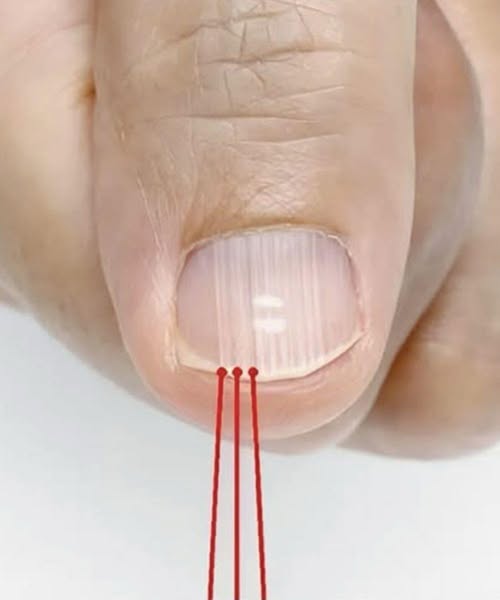
Vertical Ridges
Vertical ridges running from the base of the nail to the tip are relatively common, particularly as part of the natural aging process. For many people, they are harmless and simply reflect slower cell turnover. However, when these ridges become unusually deep, uneven, or are accompanied by brittleness or discoloration, they may point to nutritional deficiencies. Low levels of iron, vitamin B12, or other essential nutrients can affect nail structure and strength, making vertical ridges more pronounced.
Color Changes
Alterations in nail color should never be overlooked. Sudden dark streaks or bands, especially those that appear under a single nail and are not caused by injury, can be a potential sign of melanoma, a serious and potentially life-threatening form of skin cancer. Such changes require immediate medical evaluation.
White lines across the nails, known as Muehrcke’s lines, may indicate systemic issues rather than problems with the nail itself. These lines have been associated with conditions affecting the liver or kidneys, as well as low protein levels in the blood. Unlike some other nail markings, Muehrcke’s lines do not move as the nail grows, which can help clinicians distinguish them from less concerning changes.
When to Take Action
The key takeaway is simple: nail changes deserve attention, especially later in life. After the age of 40, new or unusual lines, ridges, or color changes should not be dismissed as cosmetic issues. Nails grow slowly, and visible changes often reflect processes that have been affecting the body for weeks or months.
Monitoring your nails regularly and seeking medical advice when something looks different can lead to earlier detection of health problems. While not every nail change signals a serious condition, discussing noticeable or persistent changes with a healthcare provider is an important step in protecting your overall health.