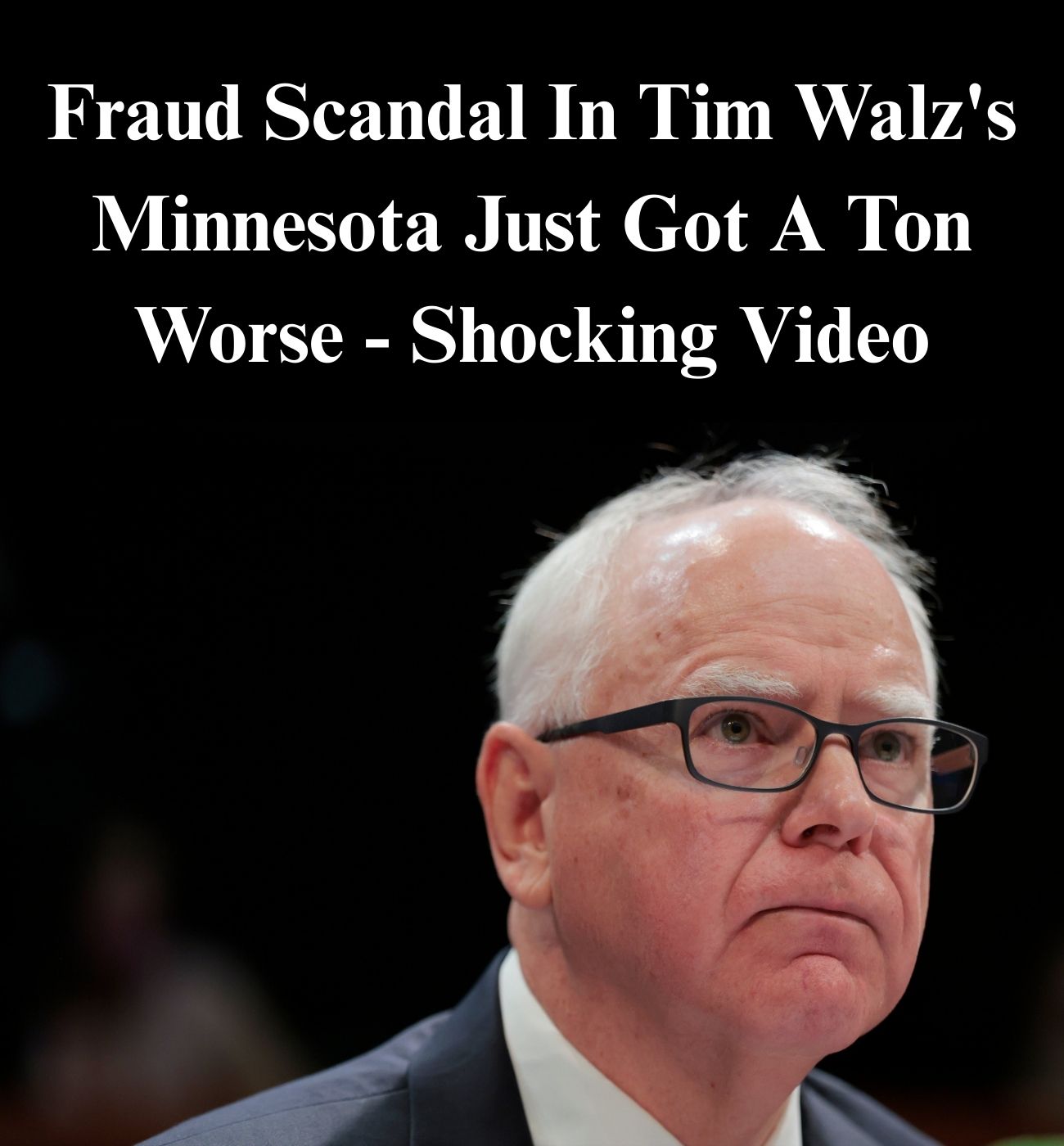
An investigation launched by independent commentator Nick Shirley into alleged irregularities in Minnesota’s daycare funding system has rapidly escalated into a national controversy, exposing deep fault lines between public institutions, legacy media, and a highly engaged online audience. What began as a locally focused inquiry has now triggered federal action, intense media scrutiny, and a broader debate about accountability, credibility, and who controls the narrative in modern journalism.
Shirley’s viral video, which questioned how childcare subsidies were being distributed and monitored in Minnesota, prompted federal authorities to temporarily freeze certain childcare payments while the situation is reviewed. The move immediately elevated the issue from a state-level concern to a matter of national interest. State officials, however, have pushed back against claims of systemic fraud, maintaining that previous inspections and audits uncovered no conclusive evidence of wrongdoing. At the same time, they have acknowledged the need for renewed scrutiny and have quietly initiated additional reviews in response to the heightened attention.
The fallout has extended well beyond government agencies. Major media organizations including CNN, PBS, NPR, and The New York Times have largely centered their coverage on Shirley himself rather than on the substance of the allegations. Much of that reporting has framed him as a right-wing influencer, questioning his methods, motivations, and credibility. Supporters of Shirley argue that this focus reflects a broader pattern in which media institutions scrutinize the messenger more aggressively than the potential misuse of public funds.
That perception has fueled growing anger and distrust among viewers who believe the response illustrates a double standard. To them, the emphasis on Shirley’s political identity and online presence appears to overshadow legitimate questions about oversight, transparency, and accountability in publicly funded programs. Critics of the media coverage argue that skepticism should be applied evenly—both to independent investigators and to the systems responsible for managing taxpayer money.
Meanwhile, federal law enforcement involvement continues to expand, signaling that the matter is far from resolved. Shirley has indicated that a second installment of his investigation is forthcoming, raising the possibility of additional revelations and further intensifying scrutiny of both state agencies and media responses.
What is now unfolding is larger than a single investigation or a single state. The controversy has become a case study in competing definitions of journalism, the role of independent online investigators, and the public’s eroding trust in traditional gatekeepers. At its core lies a fundamental question: who gets to decide what qualifies as “real” journalism, and how should institutions respond when challenges come not from within, but from outside their established frameworks?
As the situation develops, the stakes extend beyond Minnesota’s daycare system. They touch on confidence in government oversight, the credibility of major news organizations, and the evolving balance of power between institutional authority and digital audiences in shaping public understanding.