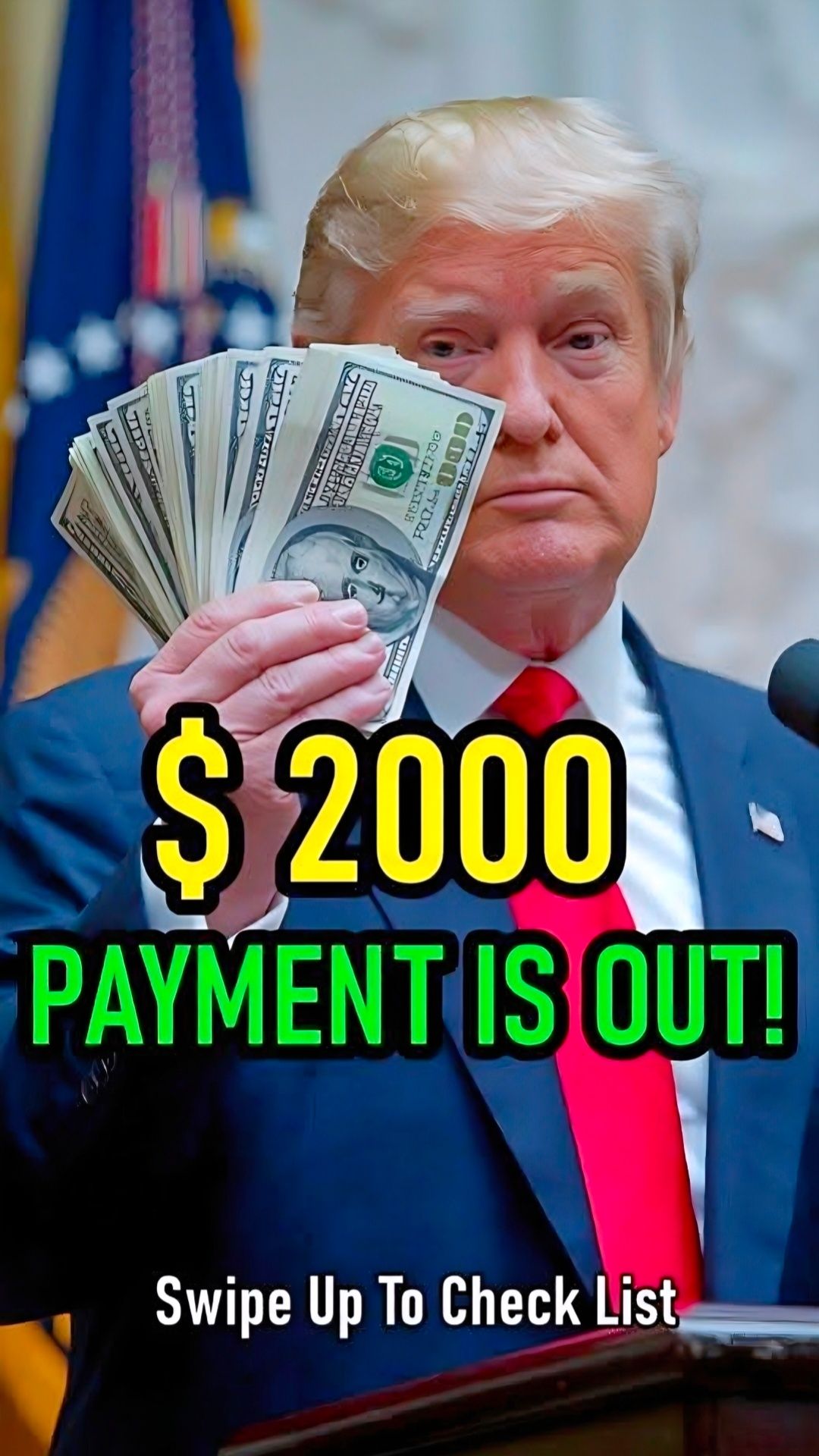
Former President Donald Trump has outlined a proposal for a nationwide dividend funded through tariffs, describing the idea in a series of posts on Truth Social. In his comments, Trump suggested that revenue generated from taxing foreign imports could be redistributed directly to Americans, framing the plan as a way to ensure that the economic burden of tariffs benefits U.S. citizens rather than remaining solely with the federal government.
In one post, Trump stated that a dividend of “at least $2,000 per person” would be paid out, excluding high-income earners. He presented the concept as part of a broader economic vision in which tariffs play a central role in strengthening domestic prosperity and national leverage in global trade.
How the Proposal Is Intended to Work
According to Trump’s outline, the core mechanism is relatively simple: impose or expand tariffs on imported goods, collect the resulting revenue, and return a portion of those funds directly to the public. The idea is rooted in his long-standing view that tariffs can serve not only as a trade tool but also as a source of income that offsets costs for American households.
Trump has repeatedly defended tariffs as an effective economic instrument, dismissing critics in forceful terms. In his remarks, he argued that opposition to tariffs ignores what he described as strong economic indicators, including low inflation and high stock market valuations, and claimed that tariffs have contributed to making the United States wealthier and more globally respected.
Questions Around Implementation
While the proposal has drawn attention for its scale and ambition, significant details remain unresolved. Trump has not released an official policy document, legislative draft, or economic analysis outlining how the dividend would be structured, administered, or funded over time. There is currently no confirmed framework specifying eligibility requirements, payment schedules, or enforcement mechanisms.
It is also unclear how the funds would be distributed. Possible approaches discussed by analysts include direct payments similar to tax rebates, credits applied through the tax system, or offsets tied to healthcare or other public expenses. However, none of these options have been formally endorsed, and no government agency has been tasked with implementation.
Status of the Plan
Importantly, the proposal does not constitute official government policy. Trump’s statements represent a political idea and campaign-style messaging rather than an enacted or approved program. Any such dividend would require congressional approval, detailed legislation, and coordination with federal agencies before it could be implemented.
Economists and policymakers are divided on the broader implications of tariff-funded dividends. Supporters argue that tariffs can be leveraged to protect domestic industries and generate revenue, while critics warn that tariffs often lead to higher consumer prices and potential retaliation from trading partners. How a large-scale dividend might interact with these dynamics remains a subject of debate.
Looking Ahead
Trump’s proposal adds to the ongoing national conversation about trade policy, economic redistribution, and the role of tariffs in funding public benefits. While the idea has energized supporters, it also raises complex questions about feasibility, economic impact, and governance. Until more concrete details emerge, the plan remains a concept rather than a formal policy—one that would require significant legislative action and economic scrutiny before becoming reality.