The Drowning Pool stands as a brooding, atmospheric entry in 1970s American cinema—a detective thriller steeped in Southern heat, moral decay, and quiet menace. Directed by Stuart Rosenberg, the film marks the return of Paul Newman as private investigator Lew Harper, a character he first portrayed nearly a decade earlier in Harper (1966). Older, wearier, and more introspective this time around, Newman’s Harper navigates a world where corruption runs deep and truth is never clean.
Set against the sultry backdrop of Louisiana, the story pulls Harper into a case involving a wealthy oil family, suspicious deaths, and layers of deception that slowly surface as the investigation unfolds. The Southern setting is more than scenery—it shapes the film’s tone, infusing it with a humid sense of decay and danger. As Harper digs deeper, he encounters a gallery of morally ambiguous characters, each guarding secrets that complicate the search for answers. The mystery is less about flashy twists and more about atmosphere, character, and the slow tightening of tension.
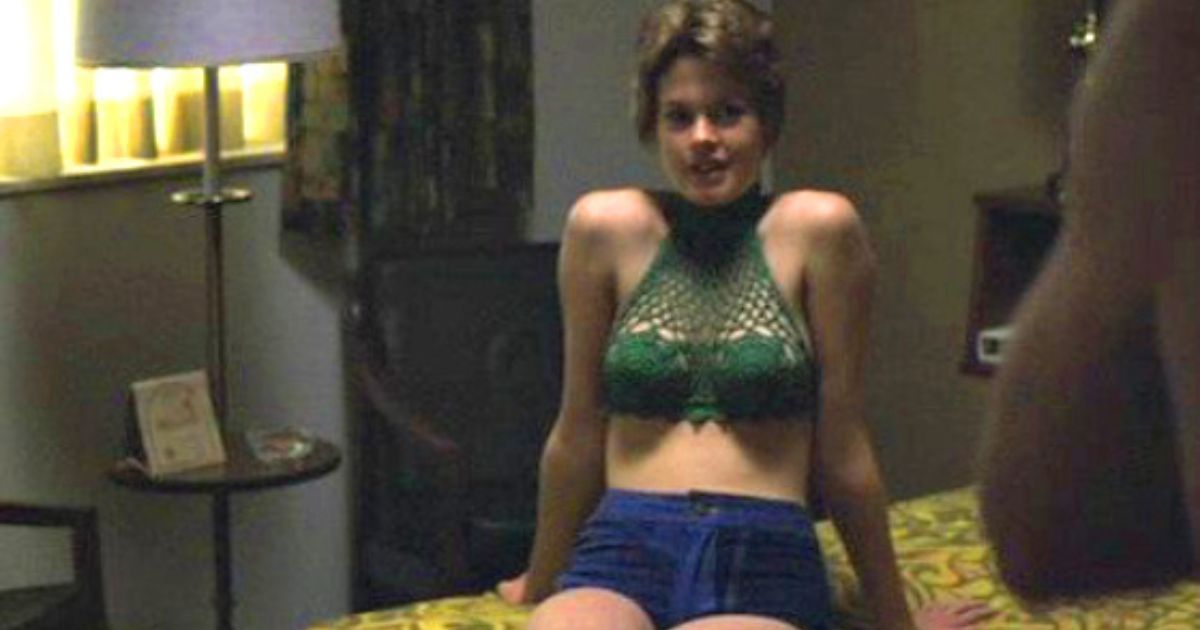
Amid this shadowy ensemble, one performance stands out for reasons both subtle and striking. Melanie Griffith, in one of her earliest screen roles, makes a bold impression as Schuyler, the seductive and rebellious teenage daughter at the center of the family’s troubled dynamic. Though her screen time is limited, Griffith brings an undeniable spark to the film. Her portrayal blends youthful innocence with teasing confidence, creating a character who feels both vulnerable and provocatively self-aware.
Griffith’s presence adds an element of unpredictability to the narrative. Schuyler is not merely a background figure; she embodies the film’s themes of corruption and lost innocence, mirroring the moral murkiness that Harper himself must wade through. Even at such an early stage in her career, Griffith displays a magnetic screen presence, hinting at the charisma and complexity that would later define her rise in Hollywood.
For Newman, The Drowning Pool offers a more subdued but compelling evolution of Lew Harper. His performance is restrained, world-weary, and grounded, reflecting a detective who has seen too much to believe in easy resolutions. The film’s pacing allows Newman to inhabit the character fully, letting silences and glances carry as much weight as dialogue.
While The Drowning Pool may not be as widely celebrated as some classic noirs, it remains a richly textured thriller—one that rewards viewers who appreciate mood, character, and understated performances. It also serves as a fascinating snapshot of Hollywood in transition: a legendary star revisiting an iconic role, and a future star announcing herself with quiet confidence.
In the end, The Drowning Pool is remembered not just for its mystery, but for the way it captures a particular atmosphere—of fading glamour, hidden rot, and danger lurking beneath polished surfaces. And within that world, Melanie Griffith leaves a lasting mark as a scene-stealing ingénue, ensuring the film’s place as both a noir curiosity and an important early chapter in her career.
Watch the scene here: