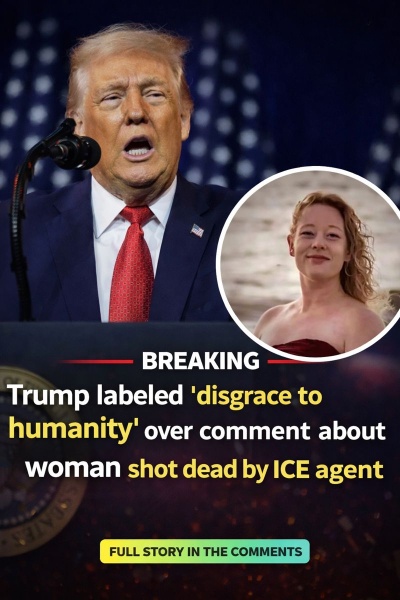
The final moments of Renee Nicole Good—captured on a shaky, disturbing video—have torn open a deep national divide, turning one woman’s death into a flashpoint over policing, immigration enforcement, and who controls the narrative when the state uses lethal force. The footage, widely circulated and intensely scrutinized, shows a scene that many viewers in Minneapolis describe as unmistakable and harrowing: a visibly frightened woman attempting to flee, an U.S. Immigration and Customs Enforcement officer opening her car door, another officer raising a weapon, and a single gunshot that ends her life. Moments later, her vehicle rolls forward and strikes a parked car.
For city officials and many residents, the images left little room for ambiguity. Minneapolis Mayor Jacob Frey, visibly shaken in public remarks, forcefully rejected any characterization of the shooting as self-defense. He accused ICE of operating with reckless disregard for human life and demanded that the agency cease operations in the city. “They are quite literally killing people,” Frey said, arguing that federal immigration enforcement is tearing families apart and placing communities in danger rather than protecting them.
The mayor’s response reflected a broader local outrage. Protests erupted, vigils were held, and calls for accountability intensified as residents questioned why a federal agency was conducting armed operations in city neighborhoods at all. Civil rights advocates and legal experts raised concerns about use-of-force standards, escalation tactics, and the lack of transparency surrounding the incident.
Yet even as the video circulated and grief spread, a competing narrative took hold at the national level. Former President Donald Trump moved swiftly to reframe the killing. Posting on Truth Social, Trump labeled Good a violent threat and a “professional agitator,” portraying the ICE officer involved as a figure under siege from what he called the “Radical Left.” His posts cast the shooting not as a tragedy, but as a necessary act in a broader struggle for law and order.
That framing was echoed by the Department of Homeland Security, which described the incident as “domestic terrorism” and defended the shooting as a justified response to a dangerous situation. The language marked a sharp escalation, shifting the focus away from the loss of life and toward an argument about national security and internal threats.
Online, the country fractured along familiar lines. On one side, mourners and activists shared the video as evidence of state violence, demanding accountability and justice for a woman they say was killed while trying to escape fear. On the other, supporters of aggressive enforcement rallied behind ICE, insisting the officer acted appropriately and warning that questioning the shooting undermines public safety.
Caught between these opposing interpretations is a single, unresolved reality: a woman is dead, killed by an agent of the state in a public street. The legal investigations will determine whether policies were followed and laws broken. But the moral and political battle is already raging, fueled by competing claims of truth, authority, and legitimacy.
At its core, the killing of Renee Nicole Good has exposed a deeper question that extends far beyond Minneapolis. When a life ends at the hands of government power, who gets to define what that death represents? Is it a tragedy demanding accountability, or a justified act in the name of order? As officials argue, agencies defend themselves, and politicians race to control the narrative, that question hangs heavily over the nation—unanswered, and increasingly impossible to ignore.