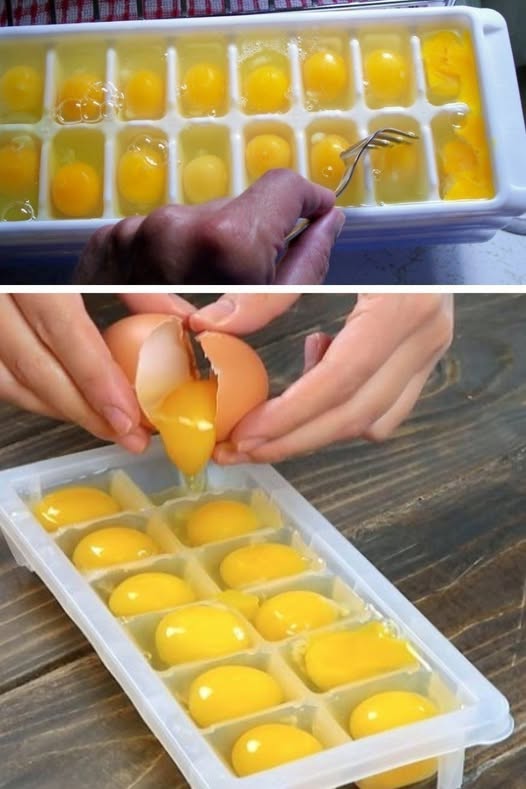
Have you ever considered freezing eggs instead of letting them go to waste? This simple kitchen practice can significantly reduce food waste while preserving both the nutritional value and versatility of eggs. I recently discovered this method after ending up with more eggs than I needed while baking a cake, and the results were surprisingly effective.
Rather than discarding unused eggs, freezing them turned out to be a practical and safe solution. When done correctly, eggs can be frozen and later used for cooking and baking with minimal impact on quality.
Nutritional Value of Eggs
Eggs are a highly nutritious food, providing a wide range of essential nutrients in a compact form.
Whole eggs contain approximately:
- Calories: around 70 per egg
- Protein: about 6 grams
- Fat: 5 grams (including roughly 1.6 grams of saturated fat)
- Cholesterol: 186 mg
- Vitamins: A, D, and B12
- Minerals: iron and zinc
Whole eggs are considered a complete protein source, meaning they contain all essential amino acids required by the body.
Egg whites are particularly valued for their high protein and low calorie content:
- Calories: approximately 17 per egg white
- Protein: around 4 grams
- Fat: 0 grams
- Cholesterol: 0 mg
- Rich in riboflavin and selenium
Egg whites are commonly used in low-fat diets and by individuals focusing on lean protein intake.
Egg yolks are nutrient-dense and contain many vital vitamins and minerals:
- Calories: approximately 55 per yolk
- Protein: about 2.7 grams
- Fat: 4.5 grams (including 1.6 grams of saturated fat)
- Cholesterol: 186 mg
- Rich in vitamins A, D, E, and B12, as well as iron and choline
While yolks are higher in fat and cholesterol, they also provide most of the egg’s micronutrients.
Vitamin D in Eggs
Vitamin D plays a crucial role in maintaining bone health, supporting the immune system, and aiding calcium absorption. It also contributes to mood regulation and overall metabolic health.
One medium egg provides approximately 10 percent of the recommended daily allowance (RDA) for vitamin D. This makes eggs a valuable dietary source, especially for individuals with limited sun exposure.
However, excessive intake of vitamin D—usually through supplements rather than food—can lead to hypercalcemia. This condition may cause symptoms such as fatigue, bone pain, and kidney complications. As with all nutrients, moderation and balance are key.
Freezing Eggs Safely
Eggs should never be frozen in their shells, as the liquid expands and can cause the shell to crack. Instead, eggs should be cracked open and gently beaten before freezing. Egg whites and yolks can be frozen separately if needed, depending on how they will be used later.
When stored in airtight containers and properly labeled, frozen eggs can last several months in the freezer and remain suitable for cooking and baking once thawed.
Conclusion
Freezing eggs is a simple yet effective way to reduce food waste while preserving their nutritional benefits. Whether you’re baking, meal-prepping, or simply managing your groceries more efficiently, this method can be a valuable addition to your kitchen routine.