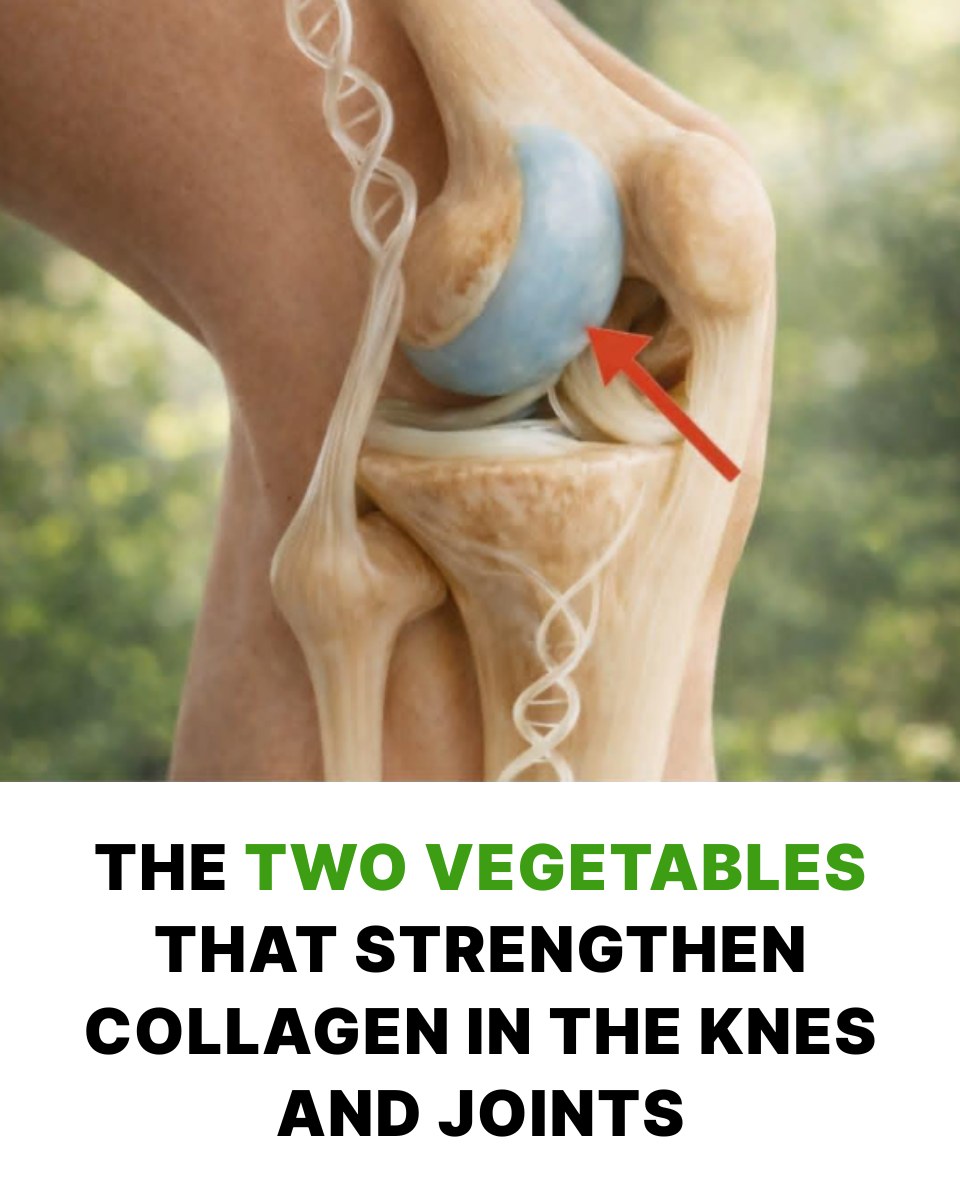
Collagen is an essential protein that acts as a binding agent for the body’s tissues, including the cartilage that cushions your knees and joints.
As we age, the body naturally produces less collagen, which can contribute to stiffness, discomfort, or reduced mobility over time. Research suggests that supporting collagen production through diet and lifestyle choices may help joints continue to function smoothly.
Nutrients that assist collagen synthesis play an important role in this process, and food choices are one of the most practical ways to supply those building blocks. This is where everyday nutrition comes into focus.
Why Vegetables Matter for Joint Support
Vegetables are rich in vitamins, minerals, and plant compounds that support many of the body’s natural functions. They provide antioxidants and other nutrients that may help protect joint tissues from daily wear and tear.
Broad nutritional research has shown that diets high in plant-based foods are often associated with better joint health over the long term. Rather than offering instant results, these foods work best as part of consistent, long-standing habits. Among them, two common vegetables stand out for their potential role in supporting collagen—and chances are, you already have them at home.

Onions: A Sulfur Source for Collagen Formation
Onions do more than enhance flavor. They contain sulfur compounds such as alliin, which are involved in the formation of collagen. Sulfur is a key element in the amino acids that make up collagen proteins.
Studies examining sulfur-rich foods suggest they may help maintain healthy cartilage, which is essential for protecting joints like the knees. Research published in nutrition-focused journals has linked diets higher in these compounds with improved joint function.
Adding onions to your meals can be simple. A medium onion per day can fit easily into soups, salads, or cooked dishes without drastically changing your routine.
Simple Ways to Eat More Onions
Making onions a daily habit doesn’t need to be complicated. You can sauté sliced onions in olive oil and add them to eggs or grains, simmer them into broths for soups, or finely chop them into fresh salads. Raw preparations help preserve sulfur compounds, while cooked versions remain versatile and comforting.
Garlic: A Powerful Partner for Joint Comfort
Garlic, closely related to onions, contains allicin and other sulfur-based compounds that also support collagen production. Allicin forms when garlic is chopped or crushed, activating its beneficial properties.
General health reviews note that garlic’s antioxidant content may help reduce oxidative stress in joints, which can support comfort and mobility. Observational studies have linked regular garlic consumption with better movement and flexibility, particularly in older adults.
One to two fresh cloves per day is often enough to gain its benefits, and garlic’s strong flavor makes it easy to include without adding excess calories.

Easy Garlic-Based Meal Ideas
Garlic can be incorporated into meals with minimal effort. Roasting vegetables with minced garlic combines multiple joint-supportive nutrients in one dish. Garlic tea—made by steeping crushed garlic in hot water with lemon—offers a simple evening option. Stir-fries are another quick way to blend garlic with proteins and greens for a balanced meal.
Using onions and garlic together may enhance their overall impact, as both provide sulfur through similar biological pathways. Some research suggests that combining sulfur-rich foods can strengthen their supportive effects on joint health.
A basic onion-and-garlic soup, made by sautéing both in broth and simmering briefly, is one easy way to enjoy them together. Pairing these vegetables with vitamin C–rich foods like citrus fruits may further support collagen synthesis.
Additional Tips for Joint-Friendly Eating
While onions and garlic can play a helpful role, they work best as part of a balanced diet. Leafy greens provide additional minerals, staying hydrated helps maintain joint lubrication, and gentle physical activity supports flexibility. Paying attention to how your body responds and adjusting portions gradually can help create lasting habits.
Final Thoughts on Supporting Joint Well-Being
Including onions and garlic in your daily meals may be a straightforward way to support collagen production and promote joint comfort. These familiar vegetables align well with the body’s natural processes and are backed by general nutritional insights.
Start small, try different recipes, and observe how you feel over time. A varied, balanced diet remains one of the most effective foundations for long-term joint health.
Disclaimer: This article is for informational purposes only and is not intended as medical advice. Always consult a healthcare provider before making significant dietary changes, especially if you have existing health conditions.