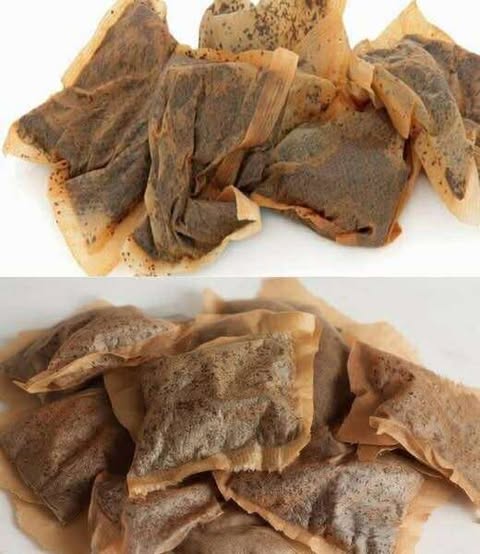
What is often dismissed as a disposable scrap of paper and leaves can, with a simple shift in perspective, become a small but effective tool of care and conservation. Used tea bags, once cooled, still retain properties that make them useful well beyond the cup.
Applied to sunburnt skin or minor burns, cooled black tea bags can help calm irritation and reduce discomfort, thanks to their natural tannins. Green tea bags, rich in antioxidants, may offer gentle support for troubled skin areas, including warts or localized inflammation. Placed briefly in the refrigerator and then over tired eyes, tea bags can also reduce puffiness and restore a sense of freshness after long, demanding days—an understated form of self-care that costs nothing and wastes nothing.
Their usefulness does not end in the bathroom. In the kitchen, used tea bags can be added to greasy dishwater, where they help break down oil and residue, making cleanup easier without relying on harsh chemicals. The remaining tea leaves also absorb odors, adding another quiet benefit to an otherwise overlooked item.
Outdoors, tea bags return naturally to the soil. When composted or buried directly in garden beds, they act as a mild fertilizer, slowly releasing nutrients that support roses, ferns, and beneficial microorganisms in the earth. Over time, this small contribution improves soil structure and encourages healthier plant growth.
Reusing tea bags is not about frugality for its own sake. It reflects a form of everyday intelligence: recognizing value where it is usually ignored, reducing waste through simple habits, and understanding that sustainability is built from ordinary choices rather than grand gestures. By extending the life of something so small, you reduce your environmental footprint while making daily routines a little more thoughtful, practical, and humane.