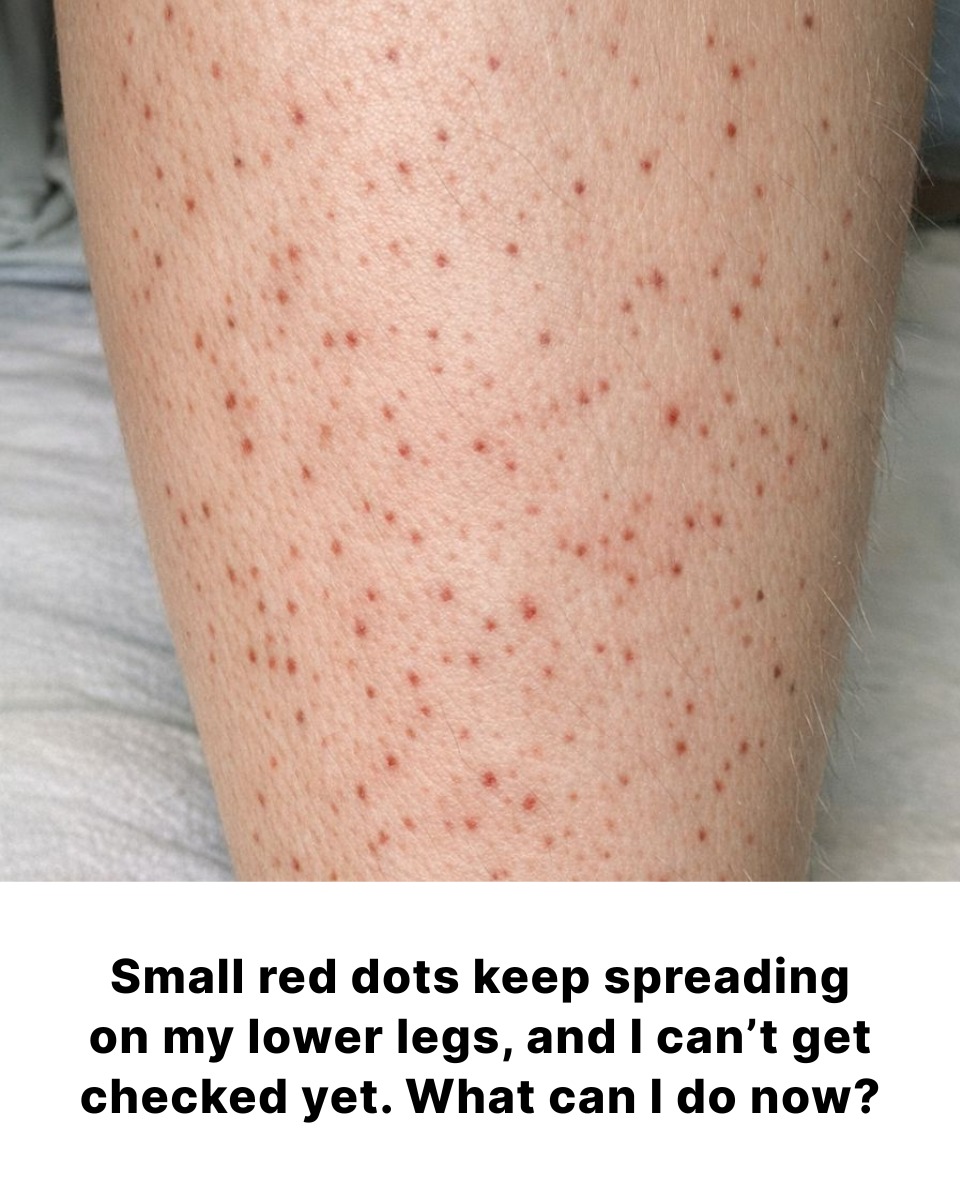
Finding small red dots spreading across your lower legs can be unsettling, especially if you don’t have immediate access to a healthcare professional.
These spots can stem from a wide range of causes, some harmless and others more serious. Knowing what they might represent—and how to respond while you wait for medical guidance—can help reduce anxiety and protect your health.
This article outlines possible reasons for these red dots, how to observe changes safely, and practical steps you can take at home. Although professional evaluation is important, there are ways to manage symptoms and possibly limit further spread in the meantime.
1. First, Make Sure It’s Not an Emergency
Before trying home care, rule out urgent situations. Seek immediate medical help if the red dots appear suddenly in large numbers, follow an injury, or are accompanied by severe pain, swelling, fever, or bleeding elsewhere. If the spots begin turning into large bruises, that may point to a broader medical issue.
If the dots are painless, stable, and not linked to other alarming symptoms, it’s generally reasonable to monitor them briefly at home until medical advice is available.
2. What Those Small Red Dots Might Be (Including Schamberg Disease)
These red spots may be petechiae—tiny marks caused by small blood vessels breaking beneath the skin. They can result from minor pressure or from conditions affecting blood vessels or platelets.
Another possibility is Schamberg Disease, a mild form of capillaritis that typically affects the lower legs and causes reddish-brown discoloration from leaking capillaries. While chronic, it’s usually harmless and manageable. Allergies, infections, or inflammatory skin conditions can also produce similar symptoms.
3. Simple At-Home Checks You Can Safely Do Yourself
You can perform basic observations to gather useful information. Press gently on a spot with a finger or clear glass; if the color fades, it may suggest a vascular cause rather than bleeding under the skin. Note the size, number, and distribution of the dots, and watch for changes.
Pay attention to symptoms like itching, tenderness, or texture changes. Taking dated photos can help you track progression and provide clarity when speaking with a healthcare professional.

4. Everyday Triggers That Can Make the Spots Spread
Daily habits may worsen these spots. Long periods of standing or sitting increase pressure in leg veins, potentially aggravating capillaritis-related conditions. Tight socks or clothing that restrict circulation can also contribute.
Heat, humidity, and skin irritants—such as new soaps, lotions, or detergents—may make symptoms more noticeable or widespread.
5. Immediate Skin-Care Steps To Protect Your Lower Legs
Gentle skin care can help limit irritation. Use fragrance-free moisturizers to support the skin barrier and avoid hot showers, which can dry and inflame the skin.
Opt for loose, breathable clothing to reduce pressure and improve circulation. In some cases, compression stockings may help, but it’s best to use them under medical guidance.
6. Lifestyle Tweaks That May Calm Capillaritis-Like Rashes
Simple lifestyle adjustments can support recovery. Elevating your legs throughout the day reduces venous pressure, while light activities like walking improve circulation.
Focus on a nutritious diet with vitamins C and E to support blood vessels and skin health. Staying well hydrated and cutting back on alcohol and excessive caffeine may also help.
7. Over-the-Counter Options: What Helps and What to Avoid
If itching is present, antihistamines may offer relief. Mild hydrocortisone cream can reduce inflammation, but should only be used briefly unless advised otherwise.
Avoid strong or medicated creams not intended for your symptoms, as they may worsen irritation. Always test new products on a small area first.

8. How To Track Your Symptoms Before You See a Doctor
Keeping records can make medical visits more effective. Write down when the spots first appeared, how they’ve changed, and any symptoms you notice. Include potential triggers, activities, or treatments you’ve tried.
Clear daily photos taken in good lighting, with an object for size reference, can be especially helpful—particularly for virtual consultations.
9. When To Use Telehealth, Online Dermatology, or Nurse Hotlines
If in-person care isn’t available, telehealth services or online dermatology platforms can provide guidance. Uploading photos often helps clinicians assess the situation more accurately.
Nurse hotlines are another option for quick advice and can help determine whether urgent care is needed.
10. Red-Flag Changes That Mean You Should Seek Urgent Care
Get immediate medical attention if the spots spread rapidly, become large bruises, or are accompanied by fever, dizziness, breathing difficulty, or bleeding elsewhere. Severe pain or the onset of symptoms after starting a new medication also requires prompt evaluation.
11. How To Advocate for Yourself When You Finally Get Checked
When you see a healthcare provider, bring your notes, photos, and a clear description of symptoms and concerns. Ask questions to fully understand possible causes and treatment options.
If the explanation or plan doesn’t feel right, seeking a second opinion is reasonable. Feeling informed and confident in your care is an important part of managing your health.