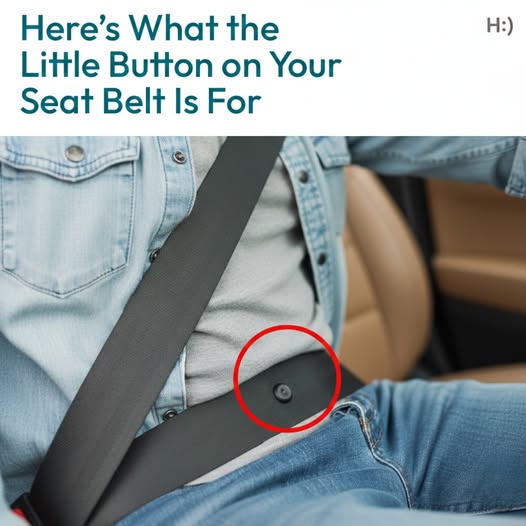
What’s the Seat Belt Stop Button For?
Most drivers and passengers use seat belts every day without paying attention to the small components that make them work smoothly. One of those often-overlooked parts is the seat belt stop button — a tiny plastic piece that plays a surprisingly important role.
The stop button’s primary function is simple: it prevents the latch plate (the metal tongue you click into the buckle) from sliding too far down the belt when it’s not in use. Without it, the latch plate can drop toward the floor, making it awkward to grab and potentially causing the belt to twist or snag.
By keeping the latch plate positioned higher on the strap, the stop button improves everyday convenience. You don’t have to fish around near the seat or door pillar to find the buckle tongue — it stays within easy reach. This may seem minor, but in situations where you need to fasten your belt quickly, that small design detail matters.
There’s also a subtle safety benefit. Proper latch plate positioning helps ensure the belt sits correctly across your body when fastened. A belt that twists frequently or sits unevenly can affect comfort and, over time, may lead to improper usage — like placing the belt behind the back or under the arm, both of which reduce protection.
You’ll typically find the stop button attached directly to the belt webbing, near the latch plate or along the shoulder section. It’s usually made of durable plastic designed to withstand years of pulling, sliding, and temperature changes inside a vehicle.
What Happens If It Breaks?
Because it’s small and plastic, the stop button can wear out, crack, or pop off over time. When that happens, the latch plate may slide freely down the belt. The result? More fumbling, more twisting, and more annoyance.
The good news: replacing a stop button is cheap and straightforward. Universal replacement kits are widely available, and installation usually requires only basic hand tools. Many designs snap or clamp directly onto the belt without needing to remove the entire assembly.
Why It’s Worth Fixing
It’s easy to ignore a missing stop button since the seat belt will still technically function. But restoring it improves belt handling, reduces frustration, and helps maintain correct belt positioning. For something that costs very little, it’s a practical maintenance fix that enhances both comfort and usability.
Small part, big difference.