Our body and mind have the power to send signs whenever something is wrong with our body. Sometimes, we decide to accept these warnings, and other times, we simply ignore them.
Paying attention to these signs, that are often subtle, can lead to early detection of an illness and increase the chances of battling it successfully.
Of course, whenever we feel something isn’t right, we should always consult a doctor.
Below are some of the early signs that warn us cancer is present in our body.
1. Unexpected Weight Loss

Whereas most of us won’t mind shredding a few pounds, unexpected and unintentional weight loss, without any accompanying changes in diet or activity level, can, on occasion, be a sign of cancer, particularly if it is substantial and occurs over a short period of time.
A major systematic review has confirmed that weight loss that is not explained by changes in diet or level of activity could be a strong predictor of number of cancers, including lung, pancreatic, colorectal, non-Hodgkin’s lymphoma, and others, and is regarded as one of the more important factors that a physician considers when accessing the likelihood of cancer.
In a recent study from the Dana-Farber Cancer Institute, unplanned weight loss was also found to be associated with an increased risk of cancers of the upper gastrointestinal tract (including esophageal, stomach, liver, and pancreatic cancers), and hematologic cancers such as leukemia, indicating that individuals with unexplained weight loss should consult a physician.
2. Constant fatigue and weakness

Fatigue associated with serious diseases such as cancer is chronic and not relieved by sleep, and research show that unexplained chronic fatigue is one of the most frequent symptoms experienced before cancer diagnosis.
In one study, almost half of the patients diagnosed with cancer reported chronic fatigue in the months preceding the diagnosis.
Some cancers are more likely than others to cause this type of chronic fatigue. Blood cancers such as leukemia and lymphoma can affect the body’s ability to produce normal blood cells, which can lead to extreme fatigue. Colon or stomach cancer may cause slow internal bleeding and anemia, which also results in fatigue. Liver cancer can affect the body’s metabolism, making fatigue a significant symptom.
3. Skin Changes

Any changes on the skin should be taken seriously.
No matter if it is moles, lumps, or skin discoloration, make sure you consult with your doctor.
Potential skin changes to keep an eye on are: moles with uneven borders, or change in color and size (probable signs of melanoma), constant sores that do not heal (may imply skin cancer), yellowing of the skin and eyes (jaundice) (related to liver or pancreatic cancer), dark spots or excessive itching (may indicate cancer of internal organs)
4. Persistent pain

Chronic pain that won’t go away even after you take medications and the amount of rest needed.
Pain that persists and doesn’t seem to have an obvious cause can be an indicator of several diseases, including cancer.
For instance, pain in a bone that becomes persistent and more severe may be due to bone cancer or cancer that has spread to the bones, while severe headaches that don’t resolve with standard treatments may be due to brain tumors. Abdominal or pelvic pain may be an indicator of cancers such as ovarian or colon cancer, while pain in the chest that persists, especially if accompanied by other symptoms, may be an indicator of lung cancer.
In general, persistent or worsening pain that doesn’t seem to have an explanation, especially if accompanied by other symptoms such as weight loss or fatigue, should be evaluated by a doctor and not simply ignored.
5. Unusual lumps or swelling
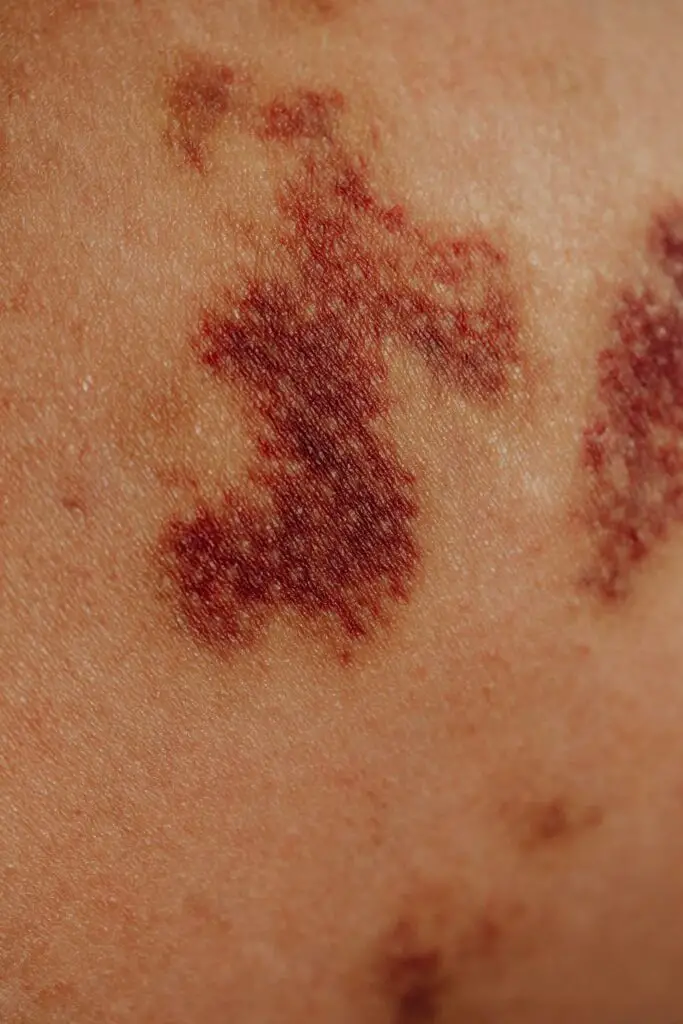
It is not uncommon to develop lumps and growths on the skin, and in most cases, these are benign conditions such as cysts, lipomas, or swollen lymph nodes. However, it is always a good idea to monitor the situation.
If a lump begins to grow in size, becomes inflamed or painful, persists for more than two weeks, becomes hard to the touch, doesn’t move when pressed against the skin, or develops in areas such as the breasts or the testicles, it is for the best to consult with your doctor.
While these symptoms don’t necessarily indicate a serious problem, they can sometimes be a sign of an infection and other diseases, including cancer.
In the case of unusual changes in the body, including the skin, it is always better to err in the side of caution and seek the advice of a professional rather than hoping the problem would resolve by itself.