The Sweet Science Behind Lollipop Sticks
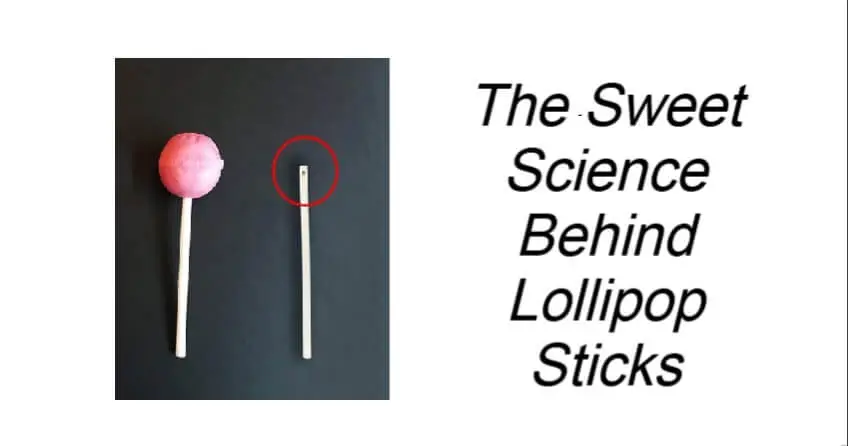
Lollipops have delighted generations, with their vibrant colors, sweet flavors, and nostalgic charm. But beyond the sugary treat itself, the design of the stick plays a surprisingly important role in your enjoyment. A tiny detail—a small hole near the top of the stick just beneath the candy—does much more than meets the eye.
From keeping the candy secure to enhancing safety, this little hole is a masterclass in thoughtful confectionery design.
A Brief History of Lollipop Design
Early lollipops were simple: hardened sugar mounted on plain sticks. As candy-making evolved, manufacturers began to focus on user experience and safety features. The introduction of a small hole at the top of the stick is one such innovation that has stood the test of time, ensuring both practicality and enjoyment.
Why the Hole Exists: Securing the Candy
The primary purpose of the hole is to keep the candy firmly attached to the stick. During production, molten candy is poured into molds where the sticks are already in place. The liquid candy flows into the hole, creating a mechanical bond as it cools and solidifies.
This ensures:
- The candy doesn’t fall off during handling or eating.
- Reduced choking hazards, particularly for children.
- A consistent, high-quality product for consumers.
Without this feature, the candy could easily detach, turning a sweet treat into a frustrating or even dangerous experience.
Safety First: Hollow Sticks and Air Passage
The hollow design of many lollipop sticks, combined with the top hole, adds an extra layer of safety. If a stick is accidentally swallowed, air can still pass through, reducing the risk of choking. This small engineering choice provides precious seconds in emergencies, making lollipops safer for children—and adults—alike.
Manufacturing Efficiency: Reducing Waste
The hole doesn’t just improve safety; it enhances production efficiency. By allowing the molten candy to seep into the stick’s hole, manufacturers reduce defects caused by candy detachment. This leads to:
- Fewer rejected lollipops on the production line.
- Less product waste.
- A more consistent, enjoyable experience for consumers.
Enhancing the Consumer Experience
Most people enjoy lollipops without ever noticing the hole in the stick. Yet this small detail makes the treat more reliable and enjoyable:
- No worrying about candy detaching mid-lick.
- Added fun: the hollow stick can be used as a whistle once the candy is gone.
It’s a tiny feature with big benefits, blending practicality with a touch of playfulness.
Conclusion
The small hole near the top of a lollipop stick is more than just a design quirk—it’s a thoughtful piece of engineering. It ensures the candy stays put, improves safety, aids manufacturing efficiency, and even adds a little playful fun.
Next time you enjoy a lollipop, take a moment to appreciate the careful design that makes this classic treat both delightful and safe.