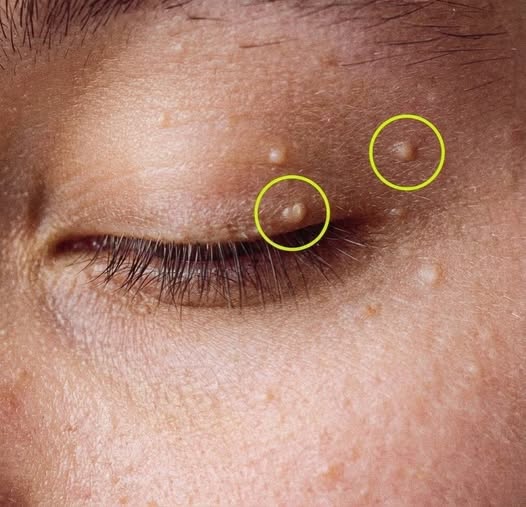
How to Get Rid of Milia: Understanding the Small White Keratin Cysts That Appear on the Face, Why They Form Under the Skin, and the Most Effective Ways to Treat and Prevent These Stubborn but Harmless Skin Bumps
Many people at some point notice tiny white bumps forming on their skin, often around the cheeks, nose, or under the eyes. These bumps are frequently mistaken for pimples or whiteheads, but in reality they are something quite different. Known medically as Milia, these small cyst-like formations develop when keratin, a protein naturally produced by the skin, becomes trapped just beneath the surface instead of shedding normally. Because keratin helps form the structure of hair, nails, and the outer layer of skin, the body constantly produces and sheds it as part of the natural skin renewal cycle. When that process is interrupted or blocked, keratin can accumulate inside tiny pockets beneath the skin, creating the firm white bumps commonly recognized as milia. Although they may look similar to acne, milia are not caused by bacteria, clogged oil glands, or inflammation like typical pimples associated with Acne. Instead, they form as small cysts that remain trapped beneath the outer layer of skin. These bumps are harmless and non-contagious, meaning they do not indicate illness or infection. However, they can be frustrating because they tend to appear on very visible areas of the face, particularly around the eyes and upper cheeks where the skin is thinner and more delicate. While milia can affect people of any age, they are extremely common in newborns as well as adults with certain skin types or skincare habits. Even though they are medically harmless, many people seek ways to remove them because of the cosmetic impact they can have on otherwise smooth skin.
Understanding why milia form is an important step toward managing them effectively. The development of these small cysts usually begins when dead skin cells fail to shed properly from the surface of the skin. Normally, the skin renews itself every few weeks by pushing older cells outward while newer cells form below. When that shedding process becomes disrupted, keratin can become trapped within the skin rather than being released naturally. Several factors may contribute to this buildup. Heavy cosmetic products, thick moisturizers, and oil-based skincare items can sometimes create conditions that make it harder for dead skin cells to shed efficiently. Sun damage may also thicken the outer layer of the skin, increasing the likelihood that keratin will remain trapped beneath it. Certain skin injuries, burns, or blistering conditions can also lead to secondary milia because the healing process may temporarily disrupt the normal skin renewal cycle. In addition, long-term use of steroid creams or harsh cosmetic procedures may sometimes contribute to their development. Because milia are not caused by bacteria, they usually do not respond to the same treatments used for acne. For example, squeezing or picking at the bumps rarely works and may actually damage the surrounding skin. The cyst sits beneath a thin but firm layer of skin, meaning that pressure alone cannot easily remove it. Attempting to force the cyst open can cause irritation, redness, and even scarring. For this reason, dermatologists strongly recommend avoiding the urge to pop or squeeze milia even though they may look similar to whiteheads.
One gentle method sometimes used to help improve the overall condition of the skin and reduce the likelihood of milia formation involves facial steaming. Steam treatments have long been part of skincare routines in many cultures because they help soften the skin and open pores. Although milia themselves are not caused by clogged pores, improved circulation and hydration can support the natural exfoliation process that keeps keratin from accumulating beneath the skin. A simple steam bath can be created at home by filling a bowl with hot water and leaning the face above the rising steam for several minutes while keeping a safe distance to avoid burns. Covering the head with a towel can help concentrate the steam and create a gentle warming effect across the skin. This process encourages blood flow and helps loosen dirt, oil, and dead skin cells that might otherwise remain on the surface. After steaming, the skin often feels softer and more receptive to other treatments such as exfoliation or moisturizing. It is important, however, to treat steaming as a supportive step rather than a cure by itself. While steam may improve the overall health and clarity of the skin, it typically does not remove existing milia immediately. Instead, it prepares the skin for other gentle treatments that can gradually reduce their appearance or prevent new ones from forming.
Another commonly recommended approach involves natural exfoliating mixtures designed to remove dead skin cells from the surface. One example combines ingredients such as honey, lemon juice, and sugar to create a mild exfoliant. Honey has long been valued in skincare because it acts as a natural humectant, meaning it helps attract and retain moisture in the skin. It also contains compounds with antibacterial and antioxidant properties that may support overall skin health. Lemon juice contributes mild astringent qualities, which can help tighten the skin and reduce excess oil on the surface. Meanwhile, sugar crystals act as a gentle physical exfoliant that helps remove layers of dead skin cells when massaged lightly across the face. To prepare this mixture, a small amount of honey can be combined with a few drops of lemon juice and a pinch of sugar until a paste forms. The mixture can then be applied to the face and gently massaged into the skin for several minutes before being left in place briefly and rinsed away with lukewarm water. Regular exfoliation helps prevent the buildup of dead skin that contributes to keratin retention. However, it is important to use gentle pressure during this process because aggressive scrubbing can irritate the skin and potentially worsen existing issues. When used moderately, mild exfoliation can help support smoother skin and reduce the conditions that allow milia to form.
Another traditional remedy sometimes mentioned in skincare routines involves the use of pomegranate peel. The fruit of the Pomegranate has been used in various natural health practices due to its antioxidant and anti-inflammatory properties. The peel of the fruit contains compounds that may help cleanse and refresh the skin. In some home remedies, dried pomegranate peel is ground into a fine powder and mixed with honey to create a topical paste. When applied to the skin and left in place for several minutes before rinsing, the mixture is believed to help remove impurities and support gentle exfoliation. While scientific evidence supporting the direct removal of milia through this method is limited, many natural skincare routines include ingredients with mild cleansing and antioxidant qualities that contribute to healthier skin over time. Regular care that encourages exfoliation and hydration can reduce the buildup of keratin beneath the skin’s surface, which may help prevent the formation of new cysts. Still, it is important to remember that natural remedies generally work gradually and should be used consistently rather than expecting immediate results. Anyone experimenting with new skincare ingredients should test them on a small area of skin first to ensure that irritation or allergic reactions do not occur.
For individuals who want faster or more reliable results, professional treatment may be the most effective solution. Dermatologists often remove milia using a small sterile needle or specialized extraction tool that carefully opens the surface of the cyst and releases the trapped keratin. Because this procedure is performed under controlled conditions with sterile instruments, it minimizes the risk of infection or scarring. Dermatologists may also recommend chemical exfoliants containing ingredients such as retinoids or mild acids that promote faster skin cell turnover. These treatments help the skin shed dead cells more efficiently, reducing the chances that keratin will become trapped again. Preventive care also plays an important role in managing milia. Using lightweight, non-comedogenic skincare products, avoiding excessively heavy creams around the eyes, and practicing regular but gentle exfoliation can all help maintain healthy skin renewal. Sunscreen is also important because sun damage can thicken the skin and make keratin buildup more likely. Although milia are harmless and often disappear on their own over time, proper skincare habits can reduce their frequency and improve overall skin appearance. The most important advice remains simple: resist the temptation to squeeze them. With patience, gentle care, and professional guidance when necessary, those small but stubborn white bumps can be managed effectively while keeping the skin healthy and smooth.