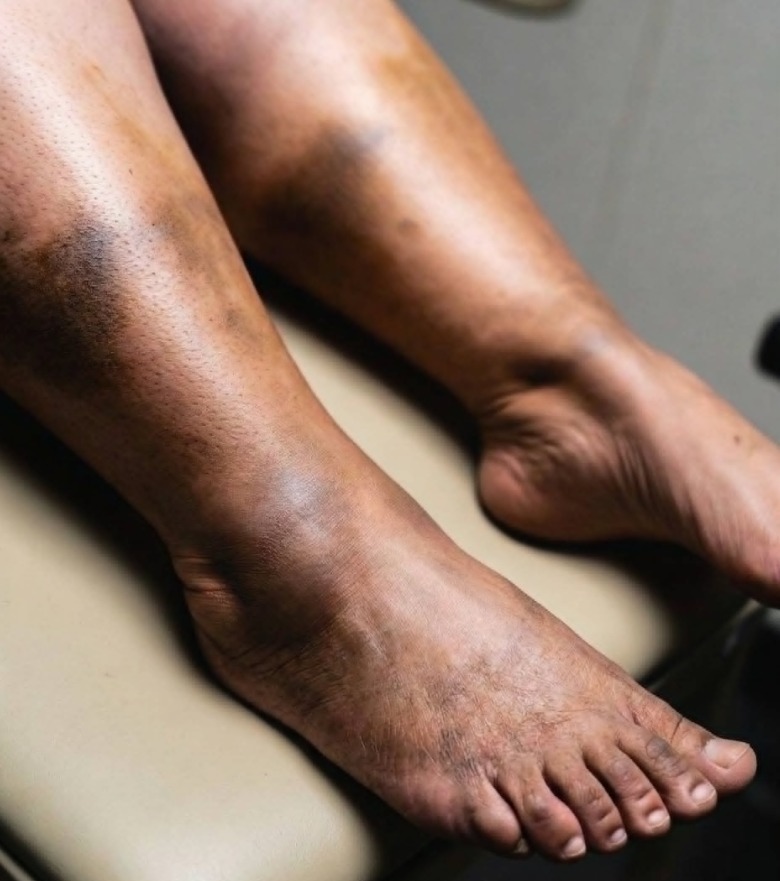
Elephantiasis can erode a life gradually and relentlessly, often in ways that are both physically debilitating and emotionally consuming. The body begins to change first: persistent, progressive swelling that does not resolve, skin texture that becomes thickened and unfamiliar, and mobility that shifts from effortless to carefully calculated. Simple movements start to require preparation, endurance, and often a tolerance for discomfort that others rarely have to consider. Over time, even basic daily activities can become significant physical challenges.
However, the most profound impact is frequently not visible. Many individuals face deep psychological and social consequences—feelings of shame triggered by public reactions, social withdrawal as relationships become strained or distant, and a growing sense of isolation. Stigma and misunderstanding can be as limiting as the condition itself, shaping how a person is perceived and, in many cases, how they perceive themselves. Work opportunities may diminish gradually, transitioning from manageable participation to full withdrawal, while independence is replaced by increasing reliance on others for essential tasks.
Despite these severe challenges, there remains meaningful space for dignity, resilience, and recovery of quality of life when care is approached holistically. Medical interventions such as proper wound care, infection control, compression therapy, pain management, and hygiene support can significantly reduce physical suffering and slow progression. Yet clinical treatment alone is not sufficient. Emotional care, psychological support, and community inclusion are equally critical in addressing the full burden of the disease.
When families, communities, and healthcare systems actively confront stigma, provide accessible mobility aids, and establish sustained support networks, they contribute to restoring something far more valuable than physical function alone: a sense of identity beyond illness. In such environments, individuals are not defined by visible symptoms, but recognized as whole persons with histories, roles, and futures. This shift does not erase the condition, but it transforms its meaning—replacing isolation with belonging, and resignation with the possibility of continued purpose and dignity.