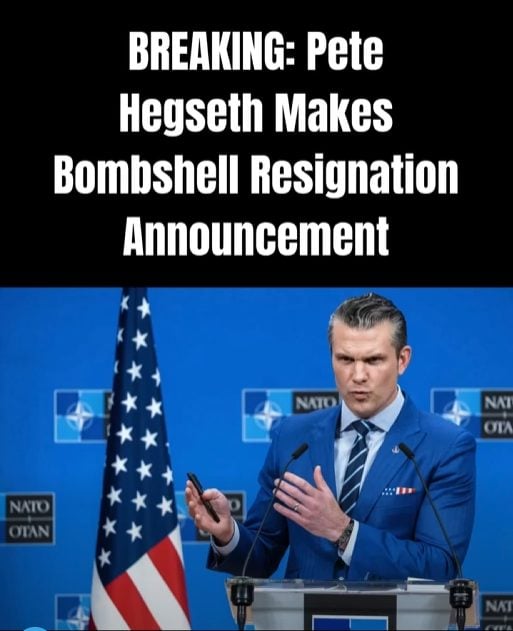
Pete Hegseth’s defiance on the South Lawn was more than a passing remark—it was a calculated statement of position. By dismissing reports that he had shared sensitive details about Yemen operations in private Signal conversations as “old news,” he reframed the narrative entirely. In his telling, the issue is not the substance of the claims but the motives behind them: a coordinated effort by former insiders and political opponents to regain relevance and influence. He cast the controversy as a proxy battle between a traditional defense establishment and what he describes as a Pentagon now led by those with direct battlefield experience—“war-fighters,” not bureaucrats.
That framing matters because it shifts the conversation away from questions of protocol and toward questions of legitimacy. If the critics are portrayed as disconnected or self-interested, then the allegations themselves become easier to dismiss. It’s a familiar strategy in Washington, but here it lands with particular force given the sensitivity of the subject: operational details, communications security, and the perception of discipline at the highest levels of defense leadership. By minimizing the timeline and context of the reports, Hegseth is effectively arguing that the outrage is manufactured—or at least strategically amplified.
Inside the West Wing, the response has been just as direct and uncompromising. Karoline Leavitt rejected NPR’s reporting that a quiet search for a potential replacement was underway, labeling it “total FAKE NEWS” and reinforcing the administration’s broader message discipline. Meanwhile, Donald Trump has publicly reaffirmed his confidence, stating that his defense chief is “doing a great job.” The consistency of that support is not accidental—it signals that, at least for now, internal doubts are being contained or overridden by political calculation.
At the same time, pressure from Capitol Hill continues to build. Democratic lawmakers have called for Hegseth’s resignation, pointing to the seriousness of the allegations and the potential implications for national security. The situation has been further complicated by published Signal message logs from Jeffrey Goldberg, which have circulated widely in Washington and added fuel to the debate. These disclosures keep the story alive, ensuring it remains a focal point of both media scrutiny and partisan conflict.
Yet the administration’s core argument remains unchanged: outcomes matter more than process. The president has repeatedly pointed to the Yemen strike itself, describing it as “unbelievably successful,” and using that success as a counterweight to the controversy. In this White House, measurable results are positioned as the ultimate metric of leadership—often outweighing procedural concerns, internal dissent, or external criticism. It’s a governing philosophy that prioritizes impact over optics, and loyalty over narrative management.
What emerges is a clear divide in how power is interpreted and defended. For critics, the issue is about standards, safeguards, and the risks of informal communication in matters of national security. For the administration, it’s about effectiveness, control, and resisting what it frames as politically motivated attacks. Between those two perspectives lies the real tension: not just over what happened, but over what should matter most when it does.