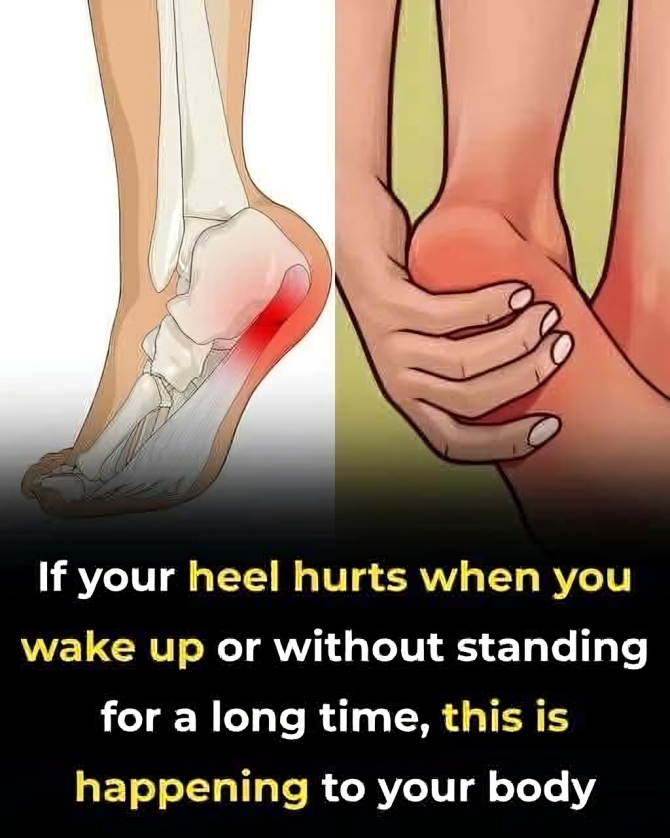
Foot pain has a way of affecting far more than just movement. What may begin as a sharp discomfort beneath the heel or along the arch can slowly influence posture, balance, exercise habits, and even everyday confidence. For many people dealing with plantar fascia irritation, the pain is often most noticeable in the morning — those first few steps out of bed feeling stiff, tender, and unexpectedly difficult. Yet while the discomfort can be frustrating, recovery is often built not through quick fixes, but through steady and intentional care.
The plantar fascia is a thick band of connective tissue running along the bottom of the foot, linking the heel to the toes and helping support the natural arch. Every step places stress on this structure as it absorbs impact and stabilizes movement. When overused or strained, tiny areas of irritation can develop, leading to inflammation, tightness, and persistent discomfort that may interfere with daily life.
One of the most effective early strategies focuses on gentle stretching.
By carefully pulling the toes toward the shin, the plantar fascia itself is stretched directly, helping reduce morning stiffness and targeting the irritated tissue responsible for much of the discomfort. This simple movement may appear minor, yet many people find it provides meaningful relief when performed consistently, particularly before standing or walking after long periods of rest.
Equally important are calf stretches.
The muscles and tendons of the lower leg are closely connected to the structures supporting the foot. Tight calves can increase tension on the heel and plantar fascia, creating additional strain with every step. Stretching these muscles helps ease that pulling force, improving flexibility and reducing mechanical stress that may contribute to pain.
But recovery is not only about stretching.
Strength matters just as much.
The foot contains a complex network of small stabilizing muscles that often become weak or underused. Exercises such as towel curls, heel raises, marble pickups, and the “short foot” exercise help activate and strengthen these muscles, encouraging the arch to function more efficiently and naturally.
Towel curls challenge the muscles responsible for gripping and supporting the foot by asking them to pull fabric inward using the toes. Heel raises strengthen the calf and improve overall lower-leg stability while reinforcing healthy movement patterns. Marble pickups engage fine motor control and coordination, helping restore strength in the smaller muscles often neglected in daily activity. Meanwhile, the short foot exercise teaches the arch to engage without excessive toe gripping, promoting stronger internal support and better balance.
Relief can also come through massage and controlled pressure.
Rolling the foot over a massage ball or frozen water bottle offers soothing comfort while targeting tight or irritated tissue. The gentle pressure may help release tension, improve circulation, and temporarily reduce discomfort, while the cooling effect of a frozen bottle can calm irritation following activity. For many individuals, this becomes an important part of the daily recovery routine.
Perhaps the most important lesson in healing plantar fascia pain is patience.
Improvement rarely happens overnight. Pain that developed gradually often requires time and consistency to resolve. Yet with four to eight weeks of focused daily effort, many people notice meaningful progress — less stiffness, improved comfort, and greater confidence in movement.
This process is about more than chasing temporary pain relief.
Every stretch, strengthening movement, and recovery session serves a larger purpose. You are not merely calming symptoms; you are rebuilding the structures that support your body with every step you take. Stronger muscles, improved flexibility, and healthier movement patterns create a more stable foundation that protects the foot over the long term.
The goal is not simply to walk without pain.
It is to move with greater strength, resilience, and trust in your body again.
Healing may require patience and discipline, but each small effort contributes to something larger — a stronger foundation beneath you and a future where movement feels less limited and more free.