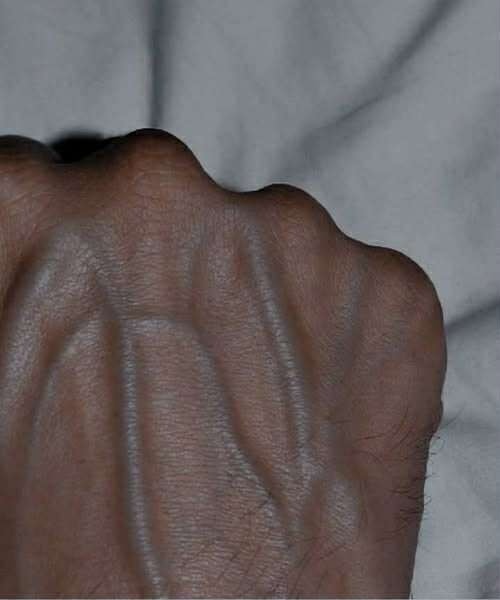
The truth is, visible veins are often misunderstood. For many people, noticing veins more clearly on the hands, arms, legs, or other parts of the body can trigger immediate concern. It is easy to interpret these changes as something abnormal or even dangerous. However, in most cases, prominent veins are not a sign of illness at all, but rather a natural reflection of how the human body changes and adapts over time.
Veins are part of a highly responsive circulatory system, constantly adjusting to temperature, activity level, hydration, and body composition. Because of this sensitivity, even small shifts in everyday conditions can influence how visible they appear beneath the skin.
One of the most common reasons veins become more noticeable is a reduction in body fat. When the layer of fat beneath the skin is thinner, there is less tissue to obscure underlying blood vessels, making veins appear more defined. This is especially common in individuals who are naturally lean, have recently lost weight, or maintain a physically active lifestyle.
Exercise also plays a significant role.
Regular physical activity improves blood circulation and increases vascular efficiency. During and after exercise, blood flow rises and veins may temporarily become more prominent as the body works to deliver oxygen and nutrients more effectively to working muscles. Over time, consistent training can lead to more visible vascular patterns, particularly in the arms and legs.
Skin characteristics contribute as well.
Some individuals naturally have thinner or more translucent skin due to genetics or age-related changes. As skin becomes less dense over time, underlying structures such as veins become easier to see. This is a normal part of aging and varies widely from person to person.
Even simple environmental factors can make a noticeable difference.
Heat, for example, causes blood vessels to expand in order to help regulate body temperature. When veins dilate, they naturally become more visible. Spending time in warm environments, taking hot showers, or exercising in higher temperatures can all temporarily enhance vein visibility without indicating any underlying problem.
In most situations, these variations are completely harmless. They reflect a combination of genetics, lifestyle, and normal physiological responses rather than a sign of disease. For many people, visible veins are simply part of their body’s natural baseline appearance.
However, while visible veins are often harmless, it is important not to ignore the context in which they appear.
There are situations where changes in vein appearance can signal something that deserves medical attention. Concern becomes more relevant when visible veins are accompanied by pain, swelling, warmth, or changes in skin color such as redness, purple discoloration, or unusual paleness. These symptoms may indicate inflammation, circulation issues, or other vascular conditions that require evaluation.
Additional warning signs include cold or numb fingers or toes, persistent throbbing sensations, or wounds that heal slowly over time. In such cases, the visibility of veins is not the main issue itself, but rather part of a broader pattern of symptoms that should not be overlooked.
The key distinction lies in how the body feels, not just how it looks.
Visible veins without discomfort are typically a normal variation. Visible veins combined with pain or functional changes may require medical assessment. Understanding this difference is essential in preventing unnecessary anxiety while still respecting genuine warning signs.
Between harmless appearance and potential medical concern lies one important factor: awareness.
The ability to observe your body without panic, but also without dismissal, is a form of practical self-care. Not every change requires alarm, but not every change should be ignored either. Recognizing patterns, paying attention to accompanying symptoms, and seeking professional advice when something feels genuinely unusual is a balanced and responsible approach.
In the end, visible veins are most often just another example of how dynamic the human body truly is.
They shift with movement, temperature, activity, and time. And while they can occasionally signal something that needs attention, more often than not they are simply part of a healthy, functioning system doing exactly what it is designed to do.