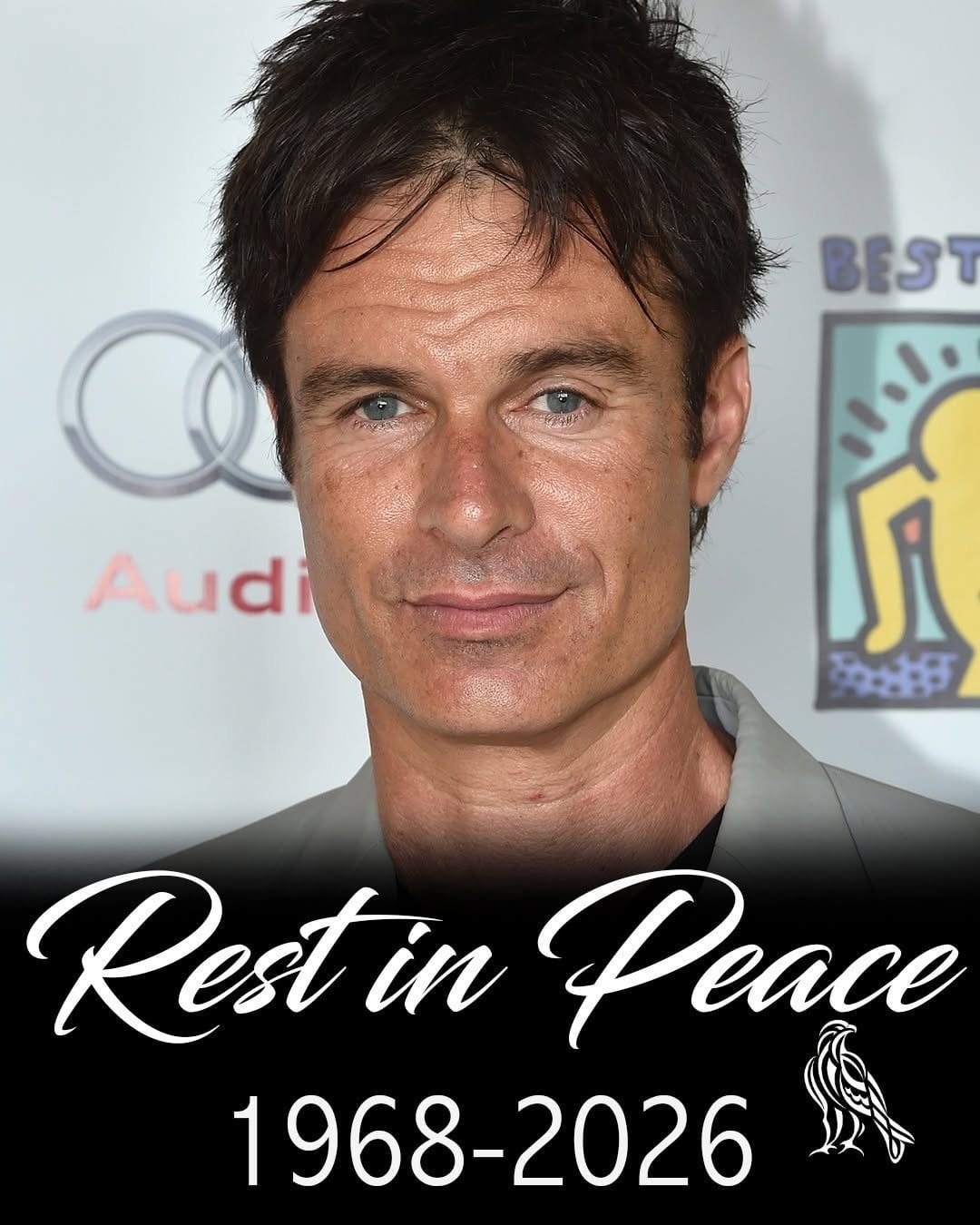
The reported death of Patrick Muldoon has sparked an outpouring of emotion from fans who followed his career across decades of television and film. For many, the news carries a sense of personal loss that extends beyond the usual reaction to a celebrity passing. While audiences may have known him only through the characters he portrayed, his consistent presence on screen made him a familiar figure whose work became intertwined with different chapters of their own lives.
Unlike some stars who dominate headlines through constant publicity, Muldoon built his reputation through longevity, versatility, and a steady commitment to his craft. He became widely recognized for his role on Days of Our Lives, where he captured the attention of viewers and established himself as one of daytime television’s memorable leading men. Over the years, his performances helped define an era for many fans who grew up watching him.
His career expanded well beyond daytime television. Science-fiction audiences remember him for his role as the confident pilot in Starship Troopers, a film that went on to achieve cult status and remains a favorite among genre enthusiasts. Others recall his appearances on Melrose Place, where he demonstrated a different side of his acting range, bringing complexity and unpredictability to his characters.
What made Muldoon’s career particularly unique was the way it evolved alongside his audience. Viewers who first encountered him as a young television heartthrob later watched him take on more mature and layered roles. In many ways, his professional journey mirrored the passage of time experienced by the people who followed his work. As audiences changed, so did the characters he portrayed, creating a connection that endured across generations.
Away from the spotlight, Muldoon continued pursuing creative projects long after many of his contemporaries had stepped away from the industry. Rather than relying solely on past success, he remained actively involved in filmmaking and production, contributing to projects behind the camera as well as in front of it. Through Storyboard Productions and various independent ventures, he demonstrated a passion for storytelling that extended far beyond acting alone.
Colleagues often described him as dedicated, approachable, and deeply invested in the creative process. His willingness to support independent productions and emerging talent earned him respect within industry circles. While mainstream attention may have shifted over the years, Muldoon continued building a body of work that reflected both persistence and genuine enthusiasm for entertainment.
Particularly poignant is the existence of projects that remain unfinished or unreleased. Among them is Dirty Hands, a production that now carries added emotional significance for those who admired his work. What was once anticipated simply as another performance may now be viewed as a final artistic contribution—a lasting reminder of an actor who continued creating until the very end.
The circumstances surrounding his passing have also prompted reflection on the fragile nature of life itself. News of a death occurring during what appeared to be an ordinary day often resonates deeply because it serves as a reminder that the future is never guaranteed. Plans, ambitions, and creative projects can be interrupted without warning, leaving behind unfinished chapters and unanswered questions.
For fans, however, the most enduring legacy is likely to be found in the work he leaves behind. Television episodes, films, interviews, and productions remain as lasting records of a career that spanned decades and touched countless viewers. Long after headlines fade, those performances will continue to be discovered by new audiences and revisited by those who have followed his journey from the beginning.
In the entertainment industry, success is often measured by awards, ratings, or box-office numbers. Yet another measure exists: whether a performer leaves a lasting impression on the people who watched them. By that standard, Patrick Muldoon’s legacy is secure. His career was not defined by a single role or moment, but by years of consistent work, memorable performances, and a connection with audiences that endured long after individual projects came and went.
For many, his passing is not simply the loss of an actor. It is the loss of a familiar presence whose work accompanied viewers through different stages of life. And in that sense, his legacy extends far beyond the screen, living on in the memories of those who laughed, cried, and grew older alongside the characters he brought to life.