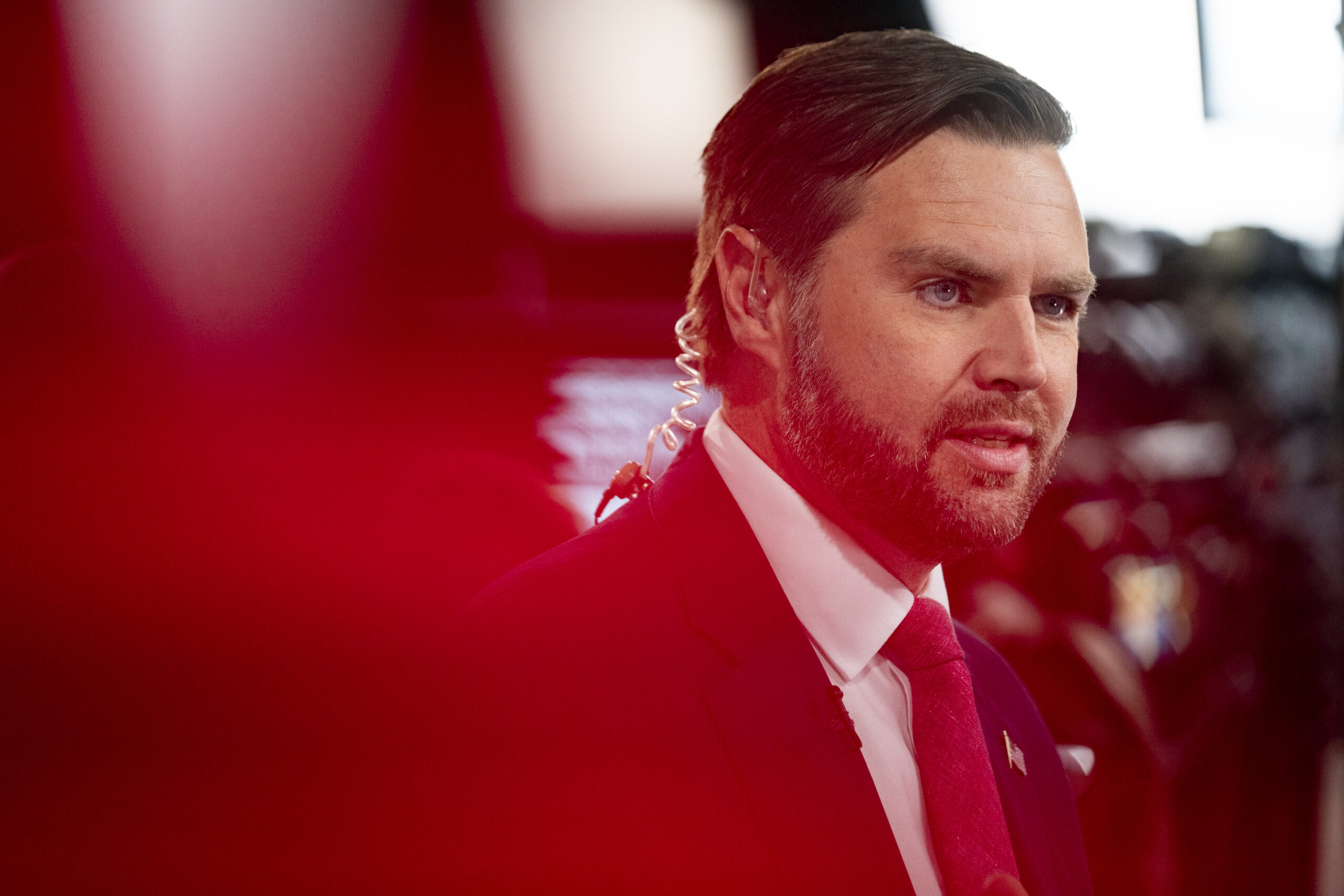
The growing prominence of JD Vance within Republican politics is increasingly being viewed by supporters as more than a temporary surge in popularity. For many observers on the political right, his rise represents a deliberate and carefully constructed effort to position himself as one of the leading figures of the party’s next generation. Rather than emerging through a single defining moment, Vance’s influence has been built through a combination of media visibility, ideological alignment with the Republican base, and an ability to connect his political message to broader cultural and economic concerns that resonate with conservative voters.
Supporters argue that while political opponents often focus on criticism, personality debates, or questions of electability, Vance has spent recent years expanding his influence within key Republican constituencies. His growing visibility at conservative events, increasing recognition among grassroots activists, and strong standing among many Republican voters have fueled speculation about his long-term political ambitions and potential future leadership role within the party.
Among his supporters, one of Vance’s greatest strengths is his ability to present himself as both a continuation of existing political movements and a figure capable of carrying them into a new era. Many conservatives view him as someone who understands the concerns of voters who feel overlooked by traditional institutions and political establishments. His messaging frequently emphasizes themes such as economic insecurity, cultural identity, national sovereignty, and dissatisfaction with political elites—issues that have become increasingly influential within modern conservative politics.
Events such as AmericaFest have often been cited by supporters as evidence of his growing appeal. Large crowds, enthusiastic receptions, and strong grassroots engagement have contributed to a perception that Vance possesses momentum extending beyond his current office. To many attendees and activists, these appearances are viewed not merely as political gatherings but as indicators of where significant portions of the Republican base see the party heading in the years ahead.
What makes the current political environment particularly dynamic is the broader transition taking place within conservative politics. As new leaders emerge and long-standing figures inevitably face changing circumstances, voters are increasingly considering who will shape the future direction of the movement. In this context, Vance is often presented by supporters as someone capable of combining established conservative priorities with a new generation’s political ambitions.
Many analysts note that political movements are sustained not only by policy proposals but also by narratives that help supporters make sense of social, economic, and cultural changes. Successful political figures often gain influence by articulating a story that connects individual frustrations to broader national themes. Vance’s supporters argue that he has demonstrated an ability to do precisely that, translating complex concerns into messages that resonate with large segments of the electorate.
Critics, however, remain skeptical. They argue that political enthusiasm at party events does not always translate into broader electoral success and caution against assuming that strong support within one segment of the electorate guarantees national appeal. They point to the unpredictable nature of American politics and the numerous challenges any potential future candidate would face in a general election environment.
Nevertheless, even many critics acknowledge that Vance has become a significant figure within contemporary Republican politics. His growing profile, media presence, and influence among conservative activists have ensured that discussions about the party’s future increasingly include his name.
The debate surrounding his political trajectory ultimately reflects larger questions facing both major parties. Republicans continue to wrestle with how to build on recent political movements while adapting to future challenges, while Democrats are simultaneously evaluating how best to respond to emerging conservative leaders and evolving voter priorities.
As the political landscape continues to develop, Vance’s rise serves as a reminder that leadership transitions rarely occur overnight. They are often the result of years of relationship-building, message development, coalition formation, and strategic positioning. Whether his current momentum ultimately leads to greater national prominence remains to be seen, but few observers dispute that he has become one of the most closely watched figures in Republican politics.
For supporters, his ascent represents the emergence of a leader capable of carrying forward a broader political vision. For opponents, it presents a challenge that cannot simply be dismissed through rhetoric alone. In either case, his growing influence highlights the shifting dynamics of American politics and the ongoing contest over who will define its next chapter.