You arrive at the shoreline on a picture-perfect summer day, the sun radiating warmth, the ocean shimmering with inviting clarity, and your family racing toward the waves. It’s the quintessential vacation moment—but hidden in plain sight, near the lifeguard tower, a series of innocent-looking, brightly colored flags are dancing in the breeze. Most beachgoers glance at these markers and dismiss them as mere decorations, but this casual ignorance is a lethal gamble. Those flags are the only barrier between a carefree day of swimming and a terrifying, life-or-death struggle against the unforgiving power of the ocean.
Beach conditions are notoriously fickle; the serene, glass-like water you encounter during your morning walk can transform into a chaotic, hazardous seascape in the span of just a few hours. Changing tides, shifts in wind direction, hidden sandbars, and the development of intense offshore currents can turn a shallow swimming zone into a death trap without warning. To navigate these invisible dangers, coastal authorities and lifeguard organizations utilize an internationally recognized, color-coded safety system. Before you or your children take another step toward the surf, understanding exactly what these signals communicate is not just a recommendation—it is a critical survival skill.
The flag system is designed to provide immediate, visual intelligence to the public. Starting with the Green Flag, it indicates that conditions are generally calm with a low hazard risk. However, it is vital to remember that “low risk” does not translate to “zero risk.” Even under ideal conditions, the ocean is a dynamic environment, and vigilance remains the primary requirement for every swimmer. As you scan the horizon, keep an eye out for the Yellow Flag, which signals moderate hazard. This warns of increased wave activity, stronger currents, or reduced visibility. Under these conditions, experienced swimmers should remain alert, while children and those who are less confident in the water should stay firmly within the shallows.
When the Red Flag is raised, the ocean has entered a state of high hazard. This is the moment when the environment becomes genuinely dangerous, often marked by heavy surf, severe weather, or the presence of powerful rip currents. Under a red flag, even the most seasoned athletes can find themselves overwhelmed by the sheer force of the waves. In many jurisdictions, authorities take this warning so seriously that entering the water can result in hefty fines or immediate expulsion from the beach. Above this is the most extreme warning: the Double Red Flag. This signifies that the water is officially closed to the public due to catastrophic threats, such as lightning, massive storm surges, water contamination, or the presence of dangerous wildlife. Ignoring a double red flag is a direct confrontation with mortal danger.
Beyond general conditions, specific flags dictate where you are allowed to be. Red and Yellow flags are the most welcoming sight, marking the designated “Lifeguard-Supervised Zone.” This section of the beach is curated by experts because it offers the safest bottom topography, optimal visibility, and the fastest possible rescue response times. If you are entering the water, do so here. Conversely, you may see a Black and White Checkered Flag, which denotes an area exclusively for surfers and board sports. Swimming in these zones is highly discouraged, as the risk of high-speed collisions with fiberglass boards or other watercraft is severe. Similarly, a Yellow Flag with a Black Ball indicates a “swimming-only” area, where surfboards and paddleboards are banned to protect the safety of those in the water.
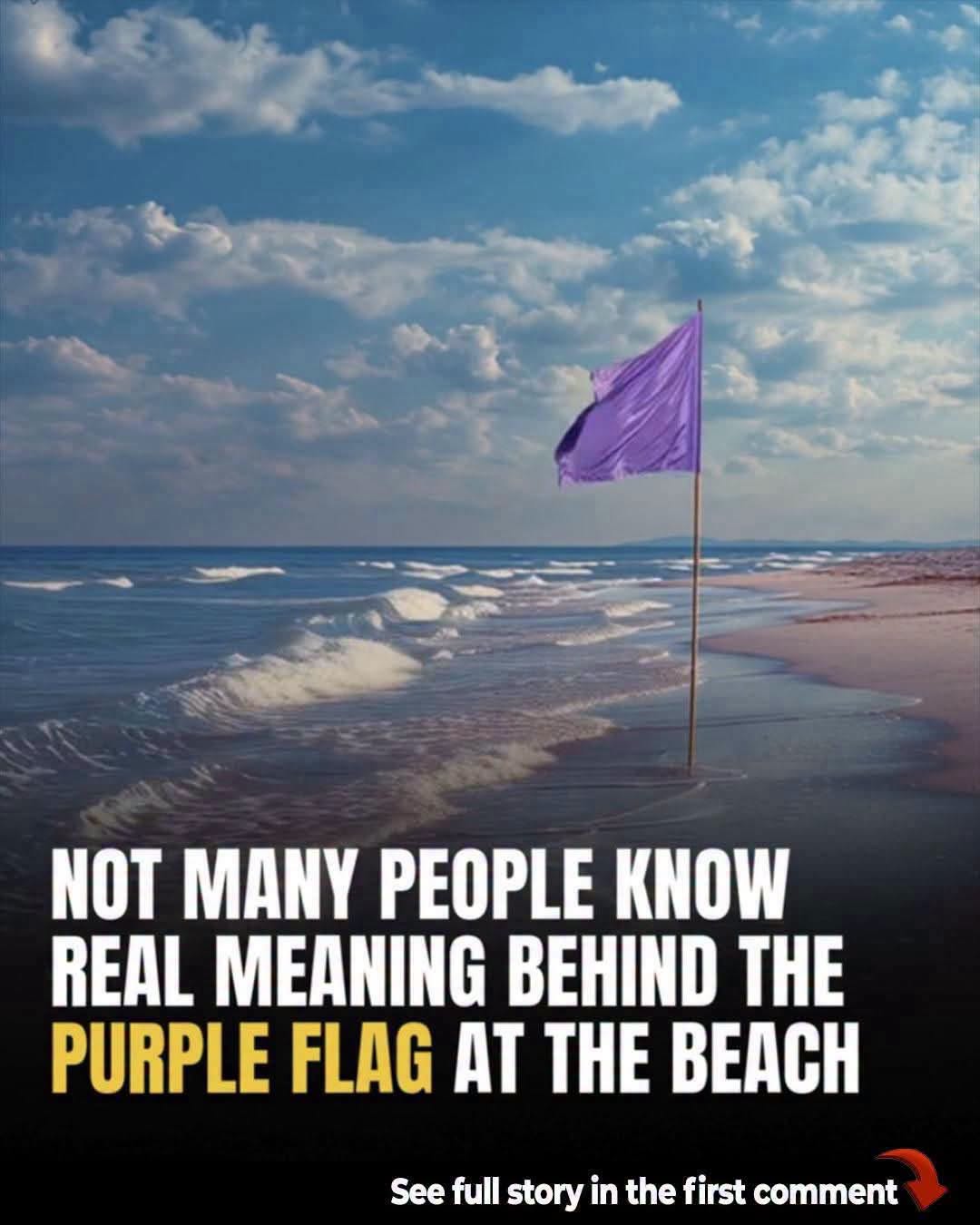
Sometimes, the danger is biological. A Purple Flag is raised to warn of hazardous marine life, such as stinging jellyfish, Portuguese man o’ war, or stingrays. While swimming might still be permitted, the risk of injury is significantly elevated, and you should exercise extreme caution. An Orange Windsock, while not a flag, acts as a crucial companion warning; it signals strong offshore winds that can quickly sweep inflatables, paddleboards, and inexperienced swimmers out into the open ocean, far beyond the safety of the shore. Perhaps the most urgent signal is the Red and White Checkered Flag, which mandates an immediate emergency evacuation of the water due to critical threats like shark sightings, search and rescue operations, or sudden environmental contamination.
One of the most insidious threats at any beach is the rip current—a concentrated channel of water flowing away from the shore at high speed. You might spot these by looking for a patch of water that appears darker than its surroundings, or an area where the waves have stopped breaking. If you find yourself caught in one, the most important rule is to stay calm. Panic leads to exhaustion, and exhaustion leads to drowning. Do not attempt to swim directly back toward the beach against the current; you will fail. Instead, swim parallel to the coastline until you are free of the channel, then use the incoming waves to return to the sand at an angle.
We often view our time at the beach as an escape from reality, but the ocean does not stop being a wild, untamed force just because we are on vacation. Those flags flapping in the wind are not background noise—they are the most important communication tools on the beach. A few seconds of observation, a moment spent checking the lifeguard tower, and an understanding of what these colors mean can dictate the outcome of your entire day. As you pack your sunscreen and your towels, make the decision to treat the beach flag system with the respect it deserves. It is the easiest way to ensure that the memories you bring home are all good ones.