Long before advanced electronics, GPS technology, and modern fish-finding equipment transformed the way people approached fishing, generations of anglers discovered a simple but powerful truth: when you create shelter beneath the water, life follows.
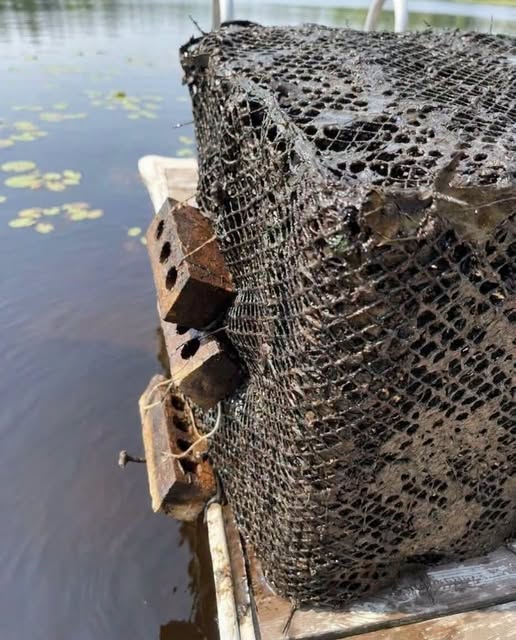
Across countless lakes and rivers, people began building what became known as fish cribs — carefully designed underwater structures made from logs, rocks, brush, and other natural materials. Some were lowered through frozen winter ice, while others were carefully placed from small boats during warmer months. These handmade habitats were not just fishing tools; they became underwater ecosystems where nature could rebuild itself.
At first, the changes were subtle. Algae began growing on the rough surfaces, attracting insects and tiny organisms that formed the foundation of the food chain. Soon, small fish gathered around the structures for protection, using the hidden spaces as places to escape predators, find food, and grow stronger. Over time, these once-empty areas transformed into thriving underwater communities.
What started as a way for fishermen to improve their chances of catching fish slowly changed a much deeper understanding of the relationship between humans and nature. Lakes were no longer viewed as endless sources of fish, but as living environments that required care, balance, and protection.
For many communities, fish cribs became more than simple underwater shelters — they became traditions passed from one generation to the next. Families returned to the same peaceful fishing spots year after year, sharing stories, teaching children how to cast a line, and explaining the importance of protecting the hidden world beneath the surface.
Building new fish cribs became a community effort. Neighbors, fishing clubs, and conservation groups worked together to place new habitats into their local waters, replacing the idea of fishing as a solitary pursuit with a shared responsibility to preserve the future of their lakes.
Although today’s designs may use modern materials such as PVC frames, artificial structures, and durable mesh, the purpose remains unchanged. These underwater shelters continue to provide essential habitats where fish can feed, reproduce, and survive.
The lesson behind fish cribs is simple but powerful: when people invest time and effort into protecting the natural world, nature often gives something back. Every cast that reaches a healthy lake carries the legacy of those who understood that the best fishing stories are not only about what is caught — but about what we choose to protect for generations to come.