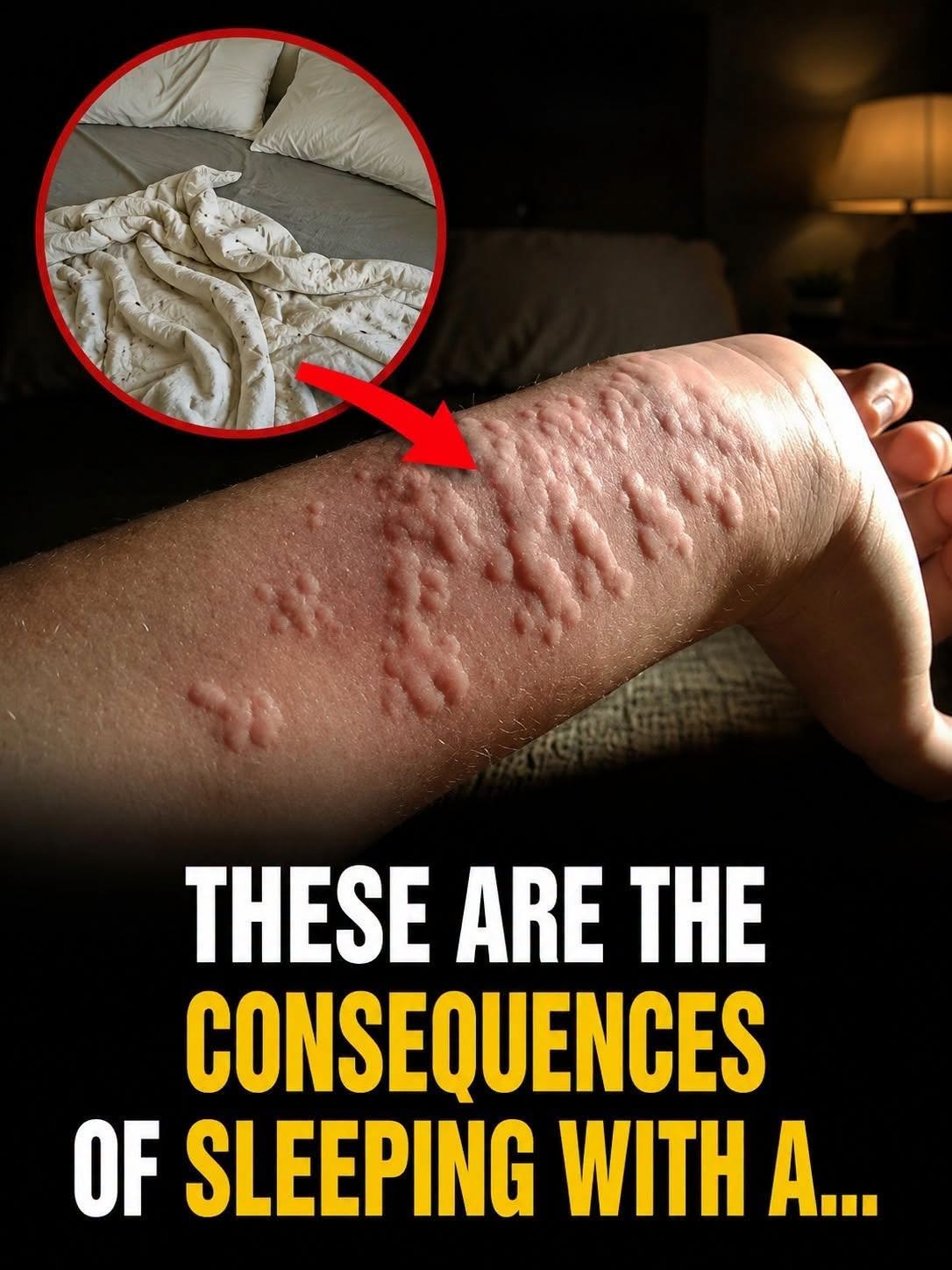
You tuck yourself into bed, exhausted after a long day, only to wake up in a panic. Your skin is crawling, marred by clusters of angry, swollen red bumps that weren’t there when you drifted off to sleep. You tell yourself it’s just a mosquito, or maybe an allergic reaction to your laundry soap—but deep down, the suspicion gnaws at you. Could something be lurking in your mattress, waiting for the lights to go out? If you’ve been waking up itching, you might be the unwitting host to a secret, bloodthirsty infestation that is literally living inside your sanctuary.
Few experiences are as distressing as realizing your bed has become a battleground. While we often associate insect bites with the outdoors, persistent, localized welts that appear exclusively after a night’s sleep are a hallmark of a much more intimate problem. It is easy to ignore the first sign, attributing the irritation to a dry environment or a minor skin sensitivity, but when these bumps reappear in lines or clusters, you are likely dealing with the silent, nocturnal terror of a bed bug infestation. These resilient pests have mastered the art of hiding in plain sight, turning the very place you go to heal into a site of nightly trauma.
Bed bugs are not merely a nuisance; they are professional infiltrators. These reddish-brown, apple-seed-sized insects possess an uncanny ability to burrow into the most inaccessible corners of your life. They don’t just stay on the surface of your mattress. They thrive in the seams of your bed frame, behind the peeling edges of your wallpaper, inside the crevices of your headboard, and even deep within the electrical outlets of your bedroom. Because they are strictly nocturnal, emerging only under the cover of darkness to feed on human blood, many people suffer for weeks—or even months—without ever catching a glimpse of their tormentor.
The physical aftermath of their presence is often the only clue. Their bites generally manifest as small, red, inflamed bumps. Unlike the random bites of a mosquito, bed bug marks frequently appear in distinct patterns—straight lines or clusters—on areas of the body that were exposed during sleep, such as your neck, shoulders, arms, or legs. However, relying on your skin as a diagnostic tool is notoriously unreliable. Human reactions to these bites vary wildly; some individuals develop severe, blistering welts, while others experience almost no reaction at all. This biological lottery makes it dangerously easy to assume you are safe when, in reality, you are being bitten every single night.
Beyond the visible irritation, there are other, more sinister red flags. If you look closely at your sheets, you might find tiny, rust-colored spots—the remnants of digested blood. You may find small dark smears that look like ink dots, which are actually insect droppings. In more severe cases, you might even discover shed insect skins or translucent, microscopic eggs tucked away in the creases of your mattress. If you and your partner or children are waking up with matching bites, the evidence is almost certainly sitting right underneath you.
While it is a relief to know that bed bugs are not confirmed carriers of human disease, their impact on your physical and mental health cannot be overstated. The persistent, maddening itch often leads to aggressive scratching, which tears the delicate barrier of your skin and leaves you vulnerable to secondary bacterial infections. More insidiously, the psychological toll is immense. The anxiety of knowing you are being fed upon in your sleep can lead to chronic insomnia, intense stress, and a lingering sense of paranoia that destroys the comfort of your home. The bedroom, which should be your safe haven, becomes a place of high-alert tension.
If your intuition tells you that you are under attack, you must act with precision and speed. Start by stripping your bed and conducting a forensic-level search of your furniture. Every crack, every seam, and every screw hole is a potential fortress for these pests. All bedding, blankets, and clothing must be laundered in the highest heat setting possible; heat is one of the few things that can effectively kill both the bugs and their hidden eggs. Follow this by a rigorous, deep-cleaning vacuum of your mattress, floorboards, and surrounding furniture, discarding the vacuum bag in an outdoor bin immediately.
However, be warned: these creatures are among the most resilient pests on the planet. They can survive for months without a single meal, patiently waiting for your return. Over-the-counter sprays and basic cleaning are rarely enough to eradicate a colony once it has taken hold. If the infestation is widespread, you are likely fighting a losing battle alone. Professional pest control is the only truly effective way to ensure their total removal. Experts utilize specialized, industrial-strength treatments that reach into the dark, hidden voids where you cannot.
Not every mystery bump is a bed bug, of course. Dust mites, pet dander, common household cleaners, and even rare skin conditions can mimic these bites. If your skin does not improve, or if the irritation becomes painful, develops signs of infection, or is accompanied by a fever or difficulty breathing, stop the DIY investigation and consult a dermatologist or physician immediately. Your health is the priority.
Ultimately, your home should be your fortress, not a habitat for unwanted guests. While you cannot always prevent a stray hitchhiker from arriving in your luggage, you can minimize the risk by practicing impeccable bedroom hygiene. Regularly wash your linens, keep your bedroom decluttered to remove potential hiding spots, and exercise caution when buying second-hand furniture. By staying vigilant and recognizing the warning signs early, you can reclaim your sanctuary. Do not let a silent, microscopic invader dictate the quality of your life. Take back your sleep, secure your space, and ensure that your bed remains a place of rest, not a site of nocturnal struggle.