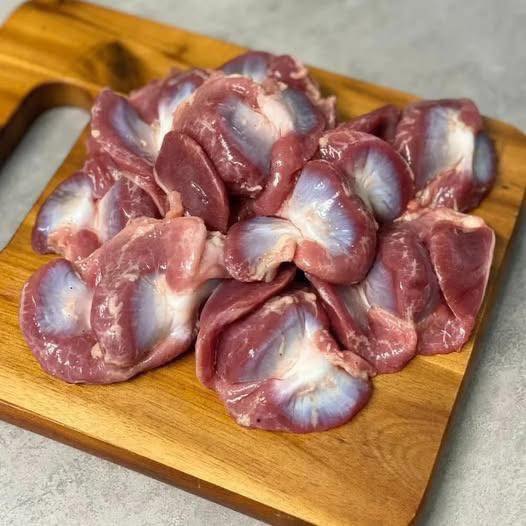
The gizzard is a powerful, muscular part of a bird’s digestive system, most commonly found in grain-eating birds like chickens. Its role is essential: since birds don’t have teeth, the gizzard works to grind and break down food, often with the help of small stones or grit. Despite its importance, the gizzard is frequently misunderstood and overlooked in modern cooking.
Many people classify chicken gizzards as offal and avoid preparing them, largely because of their firm texture and unusual appearance. For some, they simply seem unfamiliar or intimidating compared to more commonly used cuts of meat. As a result, this nutrient-rich food is often ignored, even though it has been a staple in traditional cuisines around the world for generations.
In reality, chicken gizzards offer impressive nutritional value. They are high in protein, low in fat, and rich in essential nutrients such as iron, zinc, vitamin B12, and selenium. These nutrients support muscle function, energy production, immune health, and overall well-being. For people looking to maintain a balanced diet without overspending, gizzards are an excellent option.
Another major advantage is affordability. Chicken gizzards are significantly cheaper than many other protein sources, making them ideal for budget-conscious households. They are also versatile in the kitchen. When prepared correctly—slow-cooked, braised, stewed, or even fried—they become tender, flavorful, and deeply satisfying. With the right seasoning and cooking method, gizzards can rival more expensive cuts of meat in both taste and texture.
Beyond nutrition and cost, including gizzards in your diet encourages a more sustainable approach to food. Using the whole animal reduces waste and honors traditional cooking practices that valued every part of the bird. It’s a simple way to eat more responsibly while discovering new flavors.
In the sections below, we’ll explain in detail why chicken gizzards deserve a place in your diet, how to prepare them properly, and the health benefits they can offer. Read on to learn why this often-ignored ingredient may become one of your favorites. Read more below