Allergies affect millions of people worldwide, yet many individuals still struggle to understand what triggers their symptoms. Whether it’s seasonal sneezing, unexplained rashes, digestive discomfort after meals, or constant fatigue, unidentified allergies can significantly impact daily life. Allergy testing is one of the most reliable ways to uncover the root cause of these reactions and create a personalized plan for long-term relief.
This article is designed to help you understand allergy testing in detail, explaining what it is, how it functions, who should get tested, and the different types of tests available

What Is Allergy Testing?
Allergy testing is a medical procedure used to identify substances (allergens) that trigger an immune response in your body. When your immune system mistakenly labels a harmless substance as dangerous, it releases chemicals like histamine, leading to symptoms such as:
- Runny or stuffy nose
- Itchy, watery eyes
- Hives or skin irritation
- Coughing, wheezing, or shortness of breath
- Stomach pain, nausea, or bloating
- Swelling of lips, face, or throat
By identifying your specific triggers, you can avoid unnecessary discomfort and reduce the risk of severe allergic reactions.
Why Is Allergy Testing Important?
Many people live with untreated allergies for years simply because they cannot pinpoint the cause. Allergy testing offers several important benefits:
1. Accurate Diagnosis
Instead of guessing what causes your symptoms, testing provides evidence-based results.
2. Personalized Treatment Plans
Doctors can recommend tailored solutions like antihistamines, immunotherapy, or lifestyle adjustments.
3. Improved Quality of Life
Knowing your triggers helps you avoid flare-ups, sleep better, and maintain higher energy levels.
4. Prevention of Severe Reactions
Identifying allergies early can prevent dangerous responses such as anaphylaxis.
5. Better Food and Environmental Control
Understanding your allergens allows you to make informed choices about diet, home environment, and skincare products.

Who Should Consider Allergy Testing?
Allergy testing is recommended for people who experience recurring or unexplained symptoms, including:
- Frequent sneezing or nasal congestion
- Chronic sinus infections
- Eczema or unexplained skin rashes
- Asthma or breathing difficulties
- Digestive issues after eating certain foods
- Suspected reactions to pets, pollen, dust, or mold
- Family history of allergies
- Children and adults can both benefit from early testing and treatment.
Types of Allergy Tests
There is no one-size-fits-all approach to allergy diagnosis. Healthcare providers may recommend one or a combination of the following methods:
1. Skin Prick Test (SPT)
The skin prick test is the most common and reliable test for environmental and food allergies.
How it works:
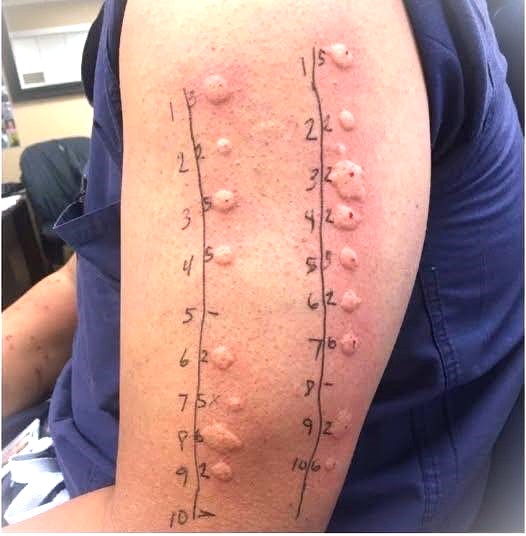
A small amount of suspected allergens is placed on your skin, usually your forearm or back. Tiny pricks allow the substances to enter the top layers of your skin. If a red, itchy bump appears, it indicates a possible allergy.
Best for:
- Pollen
- Dust mites
- Pet dander
- Mold
- Foods like nuts, eggs, milk, wheat, soy, or seafood
Advantages:
- Quick results (15–20 minutes)
- Highly sensitive
- Minimal discomfort
2. Blood Test (IgE Test)
This test measures the levels of allergen-specific IgE antibodies in your bloodstream.
How it works:
A small blood sample is taken and sent to a laboratory for analysis.
Best for:
- People with skin conditions (eczema, psoriasis)
- Those who cannot stop taking antihistamines
- Individuals at risk of severe allergic reactions
Advantages:
- Accurate and safe
- Suitable for all ages
- Tests for hundreds of allergens at once
3. Patch Test
Patch testing is used to identify delayed allergic reactions, especially those related to contact dermatitis.
How it works:
Patches containing allergens are applied to your back and remain there for 48 hours. A reaction may appear after a few days.
Best for:
- Metals (nickel)
- Fragrances
- Latex
- Cosmetics
- Chemicals in detergents and skincare products
4. Elimination Diet & Food Challenge
This method is often used for suspected food allergies or intolerances.
How it works:
You temporarily remove specific foods from your diet and then slowly reintroduce them under medical supervision.
Best for:
- Dairy
- Gluten
- Eggs
- Shellfish
- Peanuts and tree nuts
How to Prepare for an Allergy Test
To ensure accurate results, healthcare providers usually recommend:
- Avoiding antihistamines for 48–72 hours
- Not applying lotions or creams before a skin test
- Informing your doctor about medications you’re taking
- Wearing comfortable clothing

What to Expect After the Test
Depending on your results, your doctor may suggest:
- Allergen avoidance strategies
- Prescription or over-the-counter medication
- Allergen immunotherapy (allergy shots or sublingual drops)
- Lifestyle and dietary adjustments
- Most reactions after testing are mild and temporary, such as slight itching or redness.
Final Thoughts
Allergy testing is an essential step in understanding your health and gaining control over persistent or unexplained symptoms. Whether you struggle with seasonal allergies, food sensitivities, or skin irritation, identifying your triggers allows you to make informed decisions and live more comfortably.
If you’ve been dealing with allergy-related symptoms, consider scheduling a professional allergy test. It’s a simple, effective, and science-backed approach to improving your long-term health and well-being.