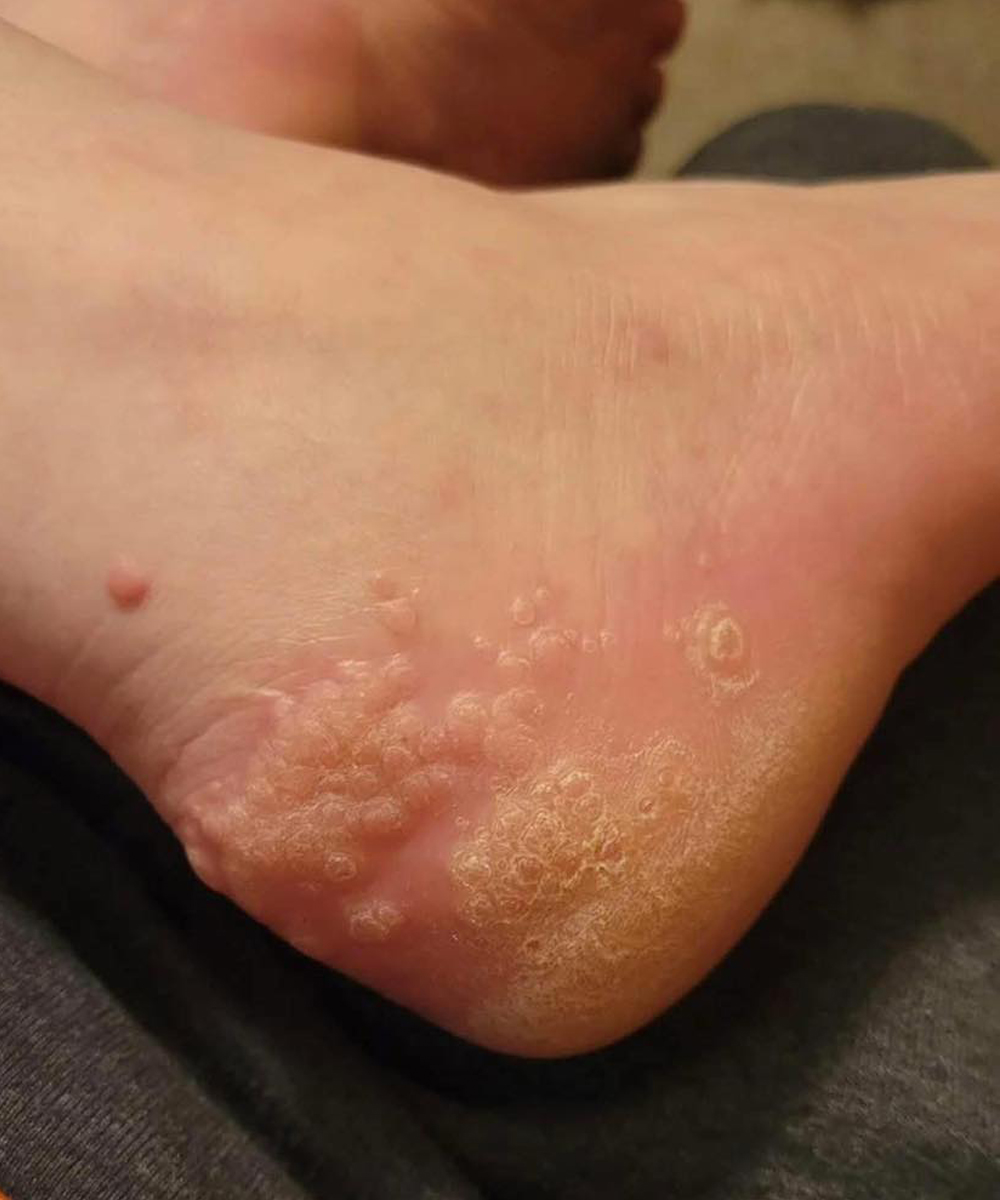
That sudden yellow bump that appears after wearing second-hand shoes is usually your body’s early warning system—not a medical emergency. In most cases, it is a corn or callus, a common and harmless skin response to repeated pressure or friction. When footwear is shaped for someone else’s foot, certain areas—often the toes or the ball of the foot—are squeezed or rubbed more than they should be. Your skin reacts by thickening in that exact spot, creating a small, hardened patch that may look yellowish and feel like a pebble under your foot when you walk.
This buildup of thick skin is essentially the body’s way of protecting itself. By forming a tougher outer layer, it tries to shield the underlying tissue from ongoing irritation. While the result can be uncomfortable or unsightly, it is usually not dangerous. The texture may feel firm or rough, and the area can become tender if pressure continues, especially when walking or standing for long periods.
In most situations, the solution is straightforward. The first and most important step is to stop wearing the shoes that caused the problem. Switching to properly fitted footwear—ideally with enough room in the toe box to prevent crowding—allows the skin to recover. Regular warm foot soaks can help soften the thickened area, making it easier to gently reduce with a pumice stone or foot file. Applying a moisturizer afterward helps keep the skin supple and prevents further hardening. Protective pads or gel cushions can also reduce friction while the area heals.
However, it’s important to monitor the bump closely. If it becomes increasingly painful, turns red or swollen, begins to drain, or shows any signs of infection, professional evaluation is recommended. A podiatrist can safely remove excess hardened skin, assess whether there is deeper pressure or structural imbalance in the foot, and rule out other conditions such as warts or underlying deformities.
In short, that yellow bump is usually a manageable sign of irritation rather than a serious health concern. With proper footwear, basic foot care, and attention to warning signs, most people can resolve the issue quickly and return to walking comfortably—without lasting problems or unnecessary worry.