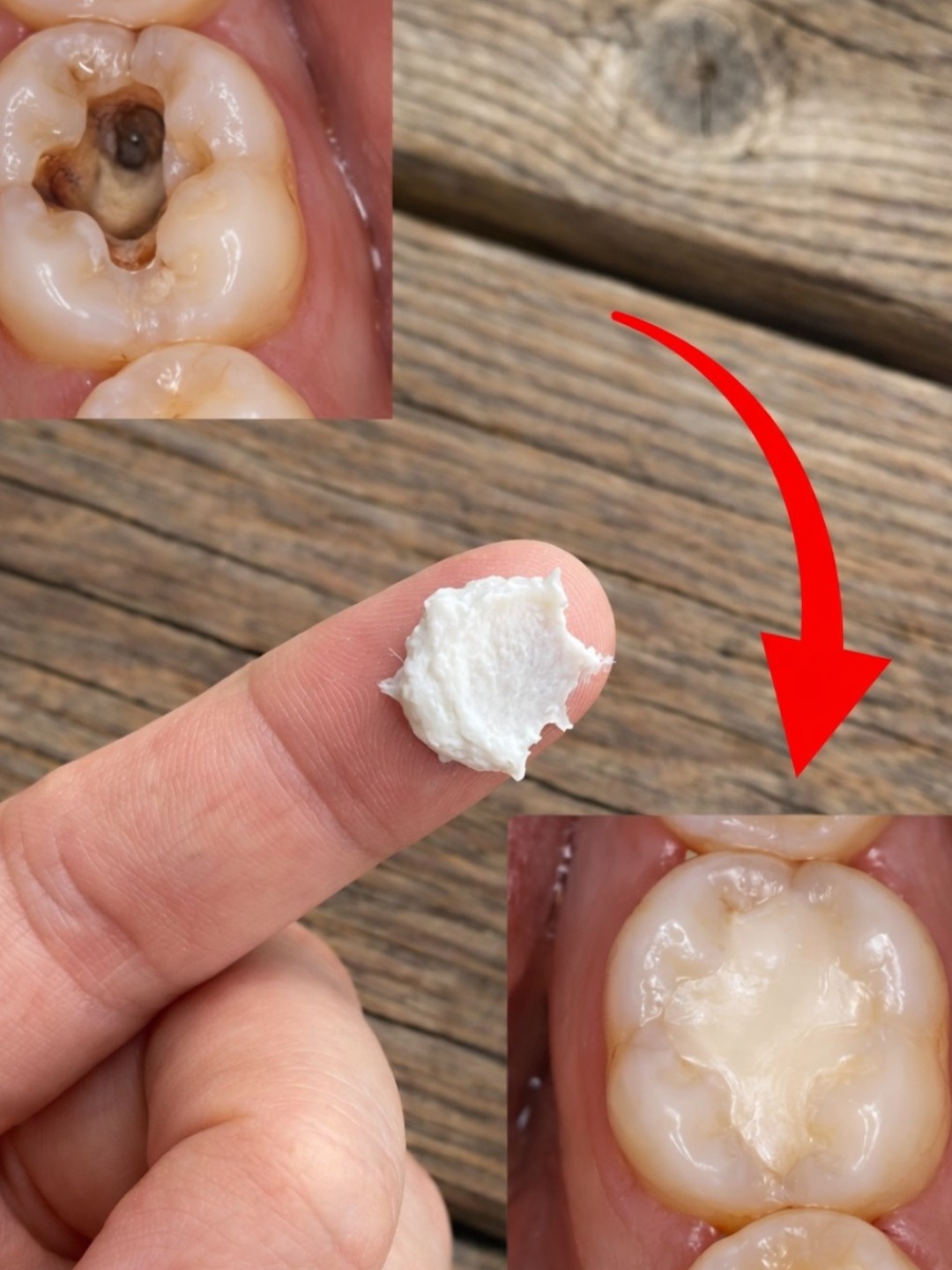
Cavities don’t appear overnight. Long before you ever notice a dark spot on a tooth or feel a sudden flash of pain, the process of decay is already underway. Harmful bacteria in the mouth feed on leftover sugars and carbohydrates, producing acids as a byproduct. Over time, those acids begin to erode tooth enamel—slowly dissolving it layer by layer until the damage becomes visible or painful.
The good news is that this process can often be slowed, and sometimes halted, through consistent daily care. While professional dental treatment remains essential, certain supportive habits can help create an environment in the mouth that is far less friendly to cavity-causing bacteria.
One such practice is oil pulling with coconut oil. This traditional method involves gently swishing oil in the mouth for several minutes, which may help reduce bacterial load and soothe irritated gums. Coconut oil, in particular, contains natural antimicrobial compounds that can support oral health when used regularly. Similarly, simple salt-water rinses can calm inflamed tissues, reduce bacteria, and help restore a more balanced pH in the mouth—especially after consuming sugary or acidic foods.
Small, everyday choices play a surprisingly powerful role in protecting teeth. Chewing gum sweetened with xylitol, for example, helps starve cavity-causing bacteria while stimulating saliva production. Saliva is one of the body’s natural defenses against decay, as it neutralizes acids and supplies minerals that help strengthen enamel. Diet also matters more than many people realize. Foods rich in calcium, phosphorus, and vitamin D—such as cheese, leafy greens, nuts, and fatty fish—support enamel from within, reinforcing teeth against acid attacks.
Green tea can offer additional benefits as well. Used as a rinse or enjoyed as a beverage, it provides antibacterial and anti-inflammatory compounds that may help reduce plaque formation and gum irritation. Just as important is how and when you brush. Brushing immediately after acidic meals can actually weaken enamel further; waiting allows saliva time to neutralize acids and protect the tooth surface. Avoiding harsh DIY whitening methods is also crucial, as many of these can strip enamel and make teeth more vulnerable to decay.
None of these approaches are meant to replace professional dental care. Fluoride toothpaste, daily flossing, and regular dental checkups remain the foundation of cavity prevention and early detection. However, when combined with thoughtful, natural supportive habits, they can significantly reduce the frequency and severity of dental problems.
In the end, preventing cavities is less about dramatic interventions and more about consistency. Gentle routines, informed choices, and respect for the enamel you have all work together to protect your smile. By supporting your teeth daily, you’re not avoiding the dentist—you’re ensuring that each visit is easier, less invasive, and far less frequent.