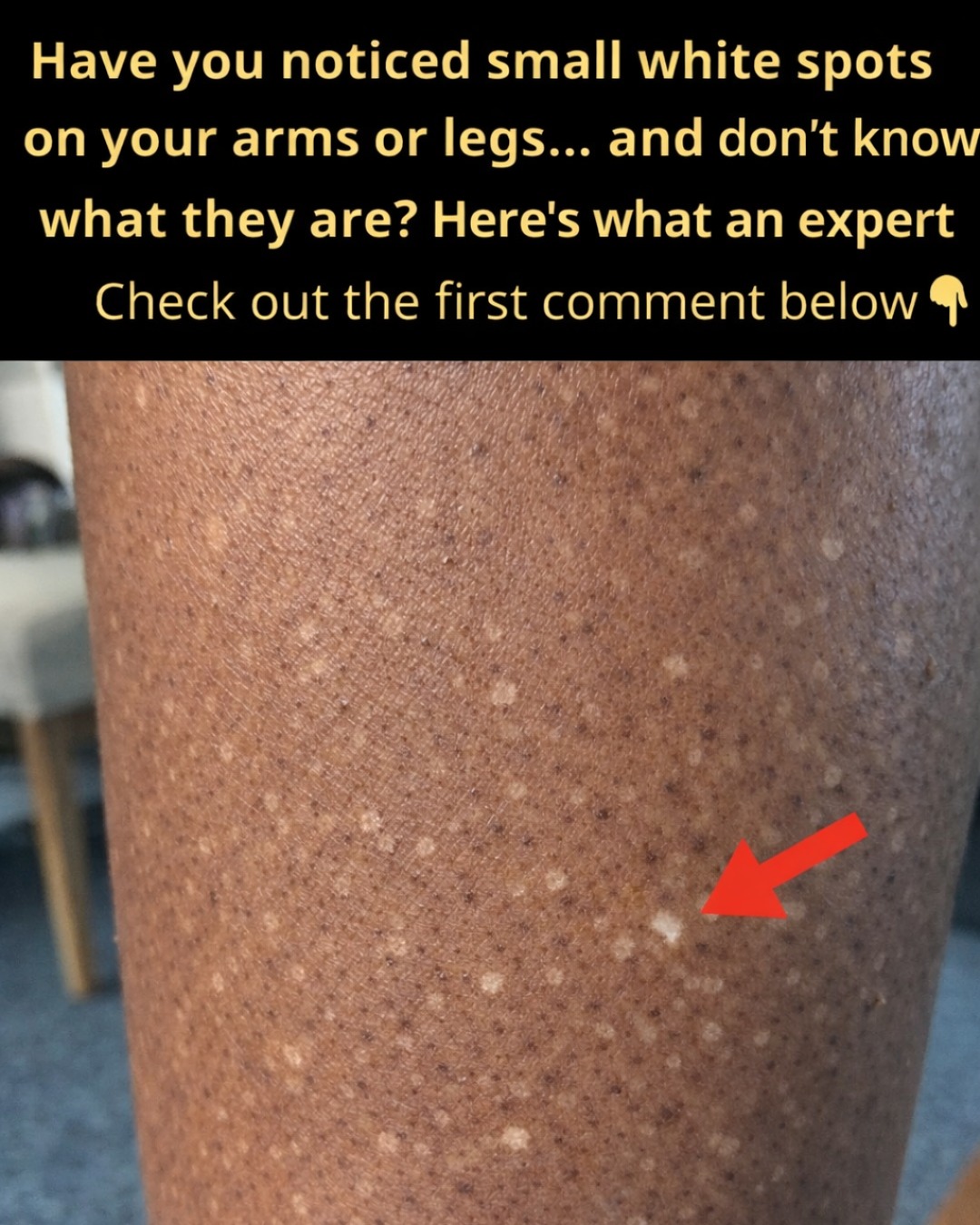
White spots or lighter patches on the skin can appear unexpectedly, often becoming more noticeable after sun exposure or as skin tone changes with age. These hypopigmented areas may cause concern about appearance and underlying health, especially when they persist or spread. Many people notice them on arms, back, chest, or face, wondering if they’re just cosmetic or worth checking. Research shows conditions like tinea versicolor affect many in warm climates, while others like idiopathic guttate hypomelanosis link to long-term sun exposure. The good news is most are benign, but understanding potential triggers brings clarity and helps decide next steps—stick around to explore the most common ones and practical ways to manage them.
The Silent Shift: Why White Spots Often Go Unnoticed at First
As we age, especially past 40, subtle changes in skin tone become more common. Small pale areas might start on sun-exposed spots like forearms or shoulders, standing out against tanned skin in summer. These shifts can feel frustrating, particularly when they affect confidence in short sleeves or at the beach. While many spots are harmless, overlooking persistent ones might miss signals from everyday factors like yeast overgrowth or past skin irritation. Early awareness often makes a difference in keeping skin even and healthy.

Common Fungal Trigger: Tinea Versicolor
One frequent cause of lighter patches is tinea versicolor, a condition from overgrowth of Malassezia yeast naturally present on skin. In warm, humid environments or with sweating, this yeast can interfere with normal pigment production, leading to scaly, pale (or sometimes darker) spots on the back, chest, neck, or arms. Studies indicate it’s especially common in tropical areas, affecting up to 50% of people in some regions. Patches often become more visible after tanning because affected areas don’t darken evenly. Mild itching or flaking may occur, but many cases are asymptomatic.

Simple steps to consider:
- Use antifungal shampoos (like those with ketoconazole) as a body wash during showers.
- Keep skin dry and cool when possible.
- Apply broad-spectrum sunscreen to protect surrounding skin.
If scaling or itch persists, a dermatologist can confirm and suggest appropriate options.
Sun-Related Changes: Idiopathic Guttate Hypomelanosis
Tiny, round white dots—often 2-6 mm—on arms, legs, or upper back? This is often idiopathic guttate hypomelanosis (IGH), linked to years of UV exposure damaging pigment cells over time. It’s benign and common in adults over 40 with fair skin or high sun history, though it appears in all skin types. Spots are flat, painless, and don’t itch. Research ties it to chronic sun damage, with prevention focusing on protection.
Key prevention tips:
- Apply broad-spectrum SPF 30+ daily, even on cloudy days.
- Wear protective clothing during peak sun hours.
- Regular skin checks help track any changes.
These spots usually stabilize, but sun protection slows new ones.
Mild Inflammation Link: Pityriasis Alba
Pityriasis alba causes round or oval scaly patches that fade to lighter areas, often on cheeks, arms, or neck—especially in those with dry skin or eczema history. It commonly affects children and young adults but can linger or appear later. Inflammation temporarily disrupts melanin, leading to hypopigmentation once scales resolve. Most cases improve with gentle care.
Everyday support ideas:
- Moisturize regularly with fragrance-free creams.
- Avoid harsh soaps or hot showers that dry skin.
- Use mild hydrocortisone if recommended by a professional for active scaling.
Full repigmentation often occurs naturally over months to a year.
Autoimmune-Related: Vitiligo
Vitiligo involves the immune system targeting pigment cells (melanocytes), resulting in smooth white patches that may expand. It affects about 0.5-2% worldwide, often starting on hands, face, or body folds. Patches are typically sharply defined and may spread gradually. While the exact trigger varies, genetics and stress can play roles. Early consultation helps monitor progression.
Small Bumps Mistaken for Spots: Milia
Milia appear as tiny, hard white cysts from trapped keratin under the skin, often around eyes, cheeks, or forehead. They’re harmless and common after skin injury or heavy creams. Unlike flat patches, milia feel raised.
Gentle approaches:
- Avoid picking to prevent irritation.
- Use mild exfoliants or professional extraction if bothersome.
They often resolve on their own.
After Inflammation or Injury: Post-Inflammatory Hypopigmentation
Lighter areas can follow rashes, eczema flares, burns, or procedures as healing affects melanin temporarily. This post-inflammatory hypopigmentation usually fades as skin recovers, though protection speeds even tone.
Less Common but Worth Knowing
Other possibilities include progressive macular hypomelanosis (confluent pale patches on trunk, possibly bacterial-linked), lichen sclerosus (white plaques in sensitive areas, more in postmenopausal women), or chemical/product reactions causing localized lightening. Rare genetic or systemic links exist, like nutrient gaps (e.g., B12 or D) potentially contributing in some cases.
Here’s a quick comparison of frequent causes:
- Tinea Versicolor — Back/chest; yeast in heat/humidity; often scaly.
- Idiopathic Guttate Hypomelanosis — Arms/legs; long-term sun; small dots.
- Pityriasis Alba — Face/arms; dry skin/eczema link; temporary.
- Vitiligo — Any area; autoimmune; may spread.
Practical Steps You Can Take Today
- Take clear photos of spots now to track changes over weeks.
- Apply broad-spectrum sunscreen daily to prevent worsening.
- Moisturize consistently to support skin barrier.
- Note any itch, scaling, or spread—factors for professional input.
- Schedule a dermatologist visit if spots persist, enlarge, or concern you.
These habits promote overall skin health and catch issues early.
Conclusion: Knowledge Brings Peace of Mind
White spots on skin stem from varied, often manageable causes—fungal, sun-related, inflammatory, or autoimmune. While many resolve or stabilize with simple habits like sun protection and hydration, professional evaluation ensures personalized insight. Taking small steps today supports healthier, more even skin tomorrow.
What makes white spots more noticeable in summer?
Tanned skin highlights lighter areas from conditions like tinea versicolor or IGH, as unaffected skin darkens while spots don’t.
Are white spots on skin contagious?
Most aren’t—vitiligo and sun spots aren’t. Tinea versicolor involves yeast but spreads minimally with close contact in susceptible people.
When should I see a doctor about white patches?
If they spread quickly, itch intensely, appear in sensitive areas, or cause emotional distress—early check provides reassurance and options.
This article is for informational purposes only and does not replace professional medical advice. Consult a dermatologist or healthcare provider for any skin concerns or personalized guidance.