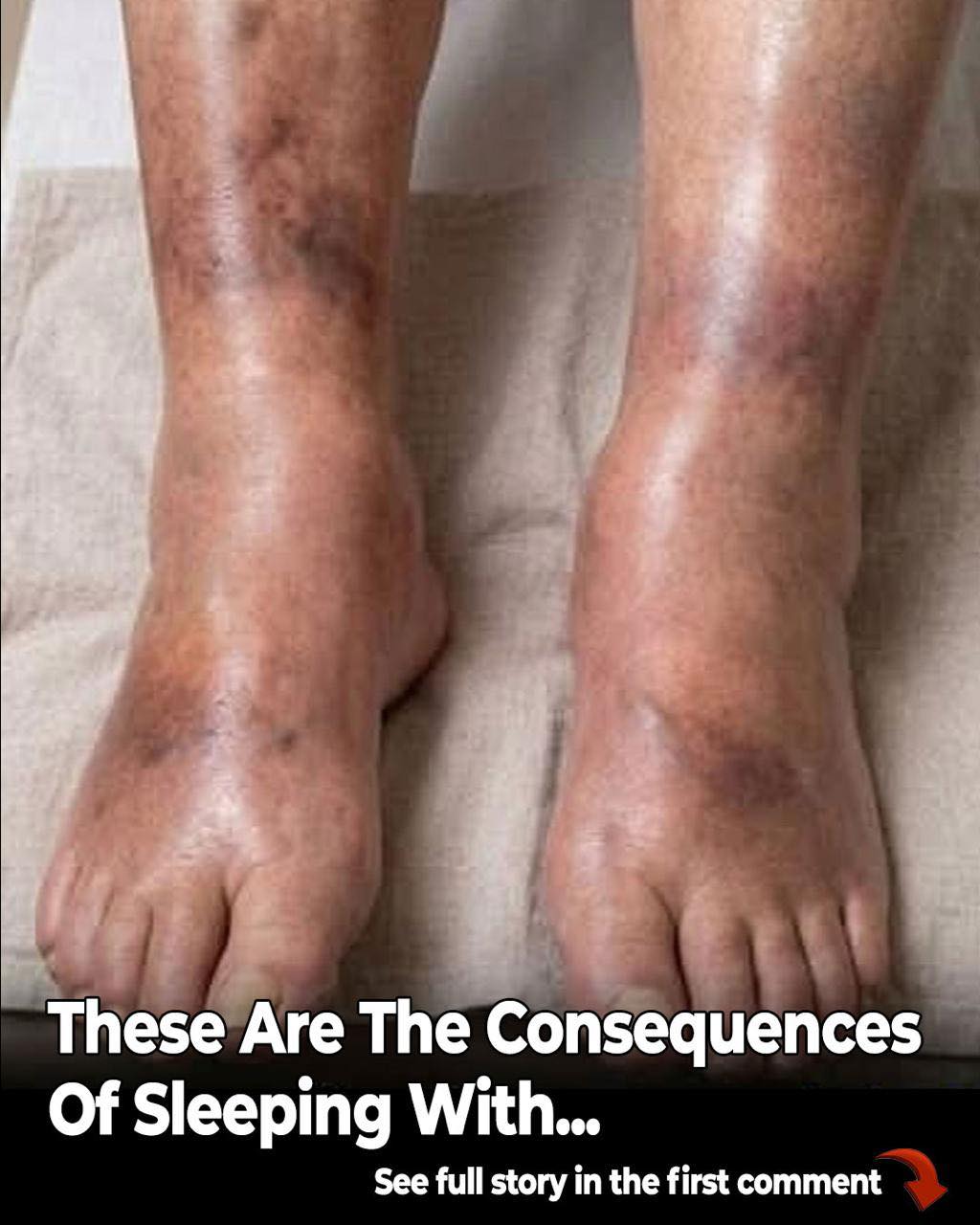
When you try on shoes you haven’t worn in ages, you might notice they suddenly don’t fit. Your ankles and calves, which were once slender, are swelling like balloons. Whether the feet are hurting or not, they’re uncomfortable, especially when the only footwear that fits are flip flops and slippers. This swelling could be from a long day in heels or shoes half a size too small, but they could be a symptom of something else. As Britt H. Tonnessen, MD, Yale Medicine vascular surgeon, says, “There are probably 50 different things that can cause feet, ankles, and legs to swell.” Feet and legs are more likely to swell than any other part of the body, because gravity naturally draws bodily fluids to the lower extremities. [1] “I tell my patients, if you were on the moon, you wouldn’t notice it happening as much!” explains Dr. Tonnessen.
The body has two drainage systems:
The veins, which brings blood from the legs back to the heart, and the lymphatics, which are tiny channels that move liquids around the body These two systems work together against gravity to prevent fluids from pooling into the legs. When something goes wrong and the fluid remains puddled in the feet, ankles, or legs, this causes a form of swelling called edema. [2] “If there’s just a little swelling at the end of the day, that’s very common and probably nothing serious,” Dr. Tonnessen says, “but if it’s starting to progress, where you’re noticing there’s more swelling after a few weeks or months, if the swelling is only in one foot or leg rather than both, or if there’s any association with shortness of breath, you should see a doctor.