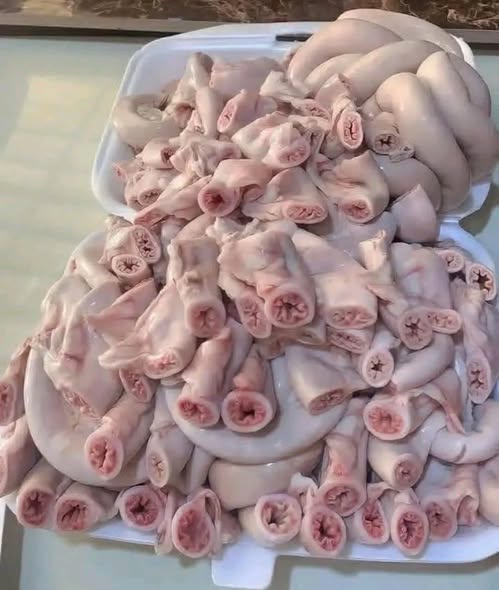
When you stop in front of a meat counter, you’re not simply comparing cuts or scanning prices—you’re interacting with a system designed around efficiency, branding, and margin. What appears straightforward is often layered with processing decisions that are not immediately visible. In many processed meat products, added water, sodium, preservatives, stabilizers, and fillers are used to extend shelf life, enhance texture, and standardize appearance. These adjustments can subtly alter both the nutritional profile and the real value of what you are paying for.
Marketing language further shapes perception. Terms like “premium,” “farm fresh,” or “natural” are frequently used to create trust, yet they are not always reliable indicators of farming practices, animal welfare standards, or processing methods. At the same time, visual cues—bright color, uniform slices, glossy surfaces, and carefully sealed packaging—are engineered to signal freshness, even when the product has undergone significant handling or chemical treatment to maintain that appearance over time.
Despite this complexity, the consumer is not without leverage. The ability to read ingredient labels critically, understand sodium content, and recognize unnecessary additives shifts the balance of power. Choosing minimally processed cuts, sourcing from transparent and reputable producers, and asking direct questions about origin and handling gradually pressures the supply chain toward greater accountability.
Each informed decision becomes more than a purchase—it becomes a form of quiet resistance against ambiguity in food production. Over time, these choices contribute to a demand for clarity, where what is presented to the consumer more closely reflects what is actually being consumed.