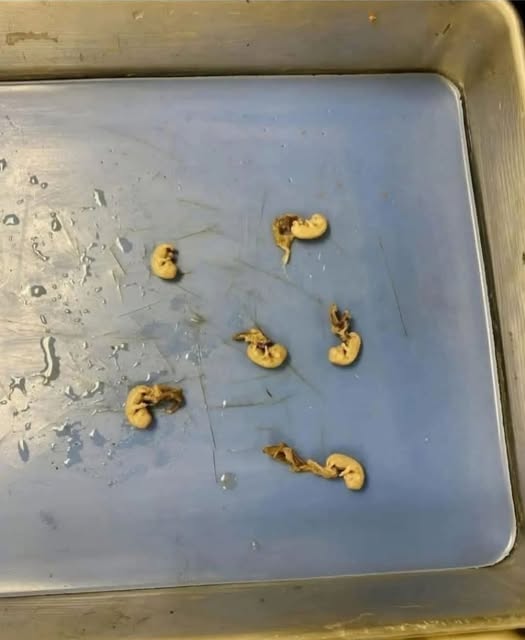
In a world increasingly driven by health trends and “clean eating” labels, most people assume that packaged snacks in their pantry are safe by default. We look for organic seals, non-GMO tags, and “natural” branding, believing these markers guarantee quality. But food safety experts continue to stress an uncomfortable truth: appearance and marketing do not always reflect what’s happening behind the scenes of the global food supply chain.
Many everyday snacks—especially seeds, nuts, and dried mixes—travel through complex international systems before reaching store shelves. Along the way, they pass through multiple facilities, storage environments, and handlers. While most of the industry follows strict safety standards, gaps can still occur, particularly when products are sourced through less regulated channels or handled improperly during processing and transport.
One of the most important concerns is contamination risk. Because seeds and nuts are often eaten without cooking, they do not go through a heat process that would normally eliminate harmful bacteria. When contamination does occur, it can be linked to handling conditions, moisture exposure, or poor sanitation during production. For most people, this may result in mild illness, but for children, older adults, or individuals with weaker immune systems, the risks can be more serious.
Chemical safety is another factor that often goes unnoticed. In large-scale production, approved preservatives and storage methods are used to maintain freshness. However, when products are poorly regulated or sourced from unreliable suppliers, quality control may not be consistent. This is why reputable retailers and established brands are generally considered safer—they are subject to stricter inspection and accountability standards.
Allergen cross-contact is also a real concern in mixed snack products. Seeds and nuts are commonly processed in shared facilities, which means trace exposure can happen if proper cleaning protocols are not followed. For individuals with allergies, even small amounts of unintended ingredients can trigger reactions, making accurate labeling and manufacturing transparency essential.
Despite these risks, experts emphasize that most commercially available food remains safe when properly sourced, stored, and handled. The key issue is not panic—it is awareness. Simple habits can significantly reduce risk, such as checking packaging integrity, buying from trusted brands, storing snacks correctly, and paying attention to unusual changes in smell, texture, or appearance.
At the same time, consumers are encouraged to remain realistic rather than fearful. Viral stories and online rumors often amplify rare incidents, creating unnecessary alarm. In reality, the food industry is heavily monitored in many regions, and safety systems are designed to prevent widespread issues before products reach the public.
Ultimately, food safety is about balance: staying informed without falling into unnecessary anxiety. Understanding how your food is sourced and taking basic precautions is often enough to ensure peace of mind.
If this made you think differently about everyday snacks, share your thoughts below—and stay curious, stay informed, and always take a closer look at what’s on your plate.