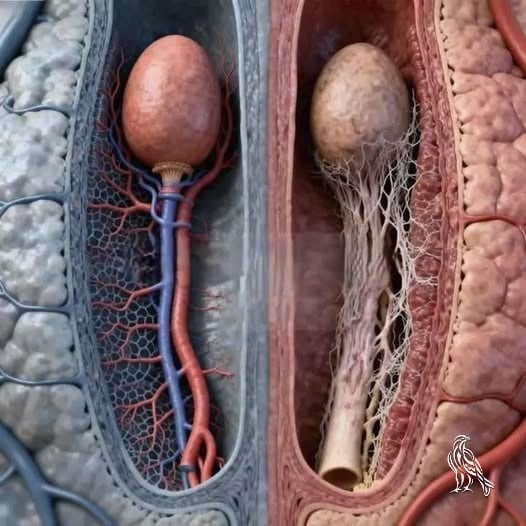
Most people rarely think about their kidneys, yet these two fist-sized organs quietly sustain systems essential for survival every single day. Working continuously in the background, they filter waste from the bloodstream, regulate fluid balance, stabilize blood pressure, manage essential mineral levels, and support the production of red blood cells. Despite their critical role, they are often overlooked until problems begin to surface.
The challenge is that kidney disease rarely announces itself in the early stages. It develops gradually, often without clear symptoms, while damage accumulates silently over time. By the time noticeable signs appear, significant function may already be lost. This is what makes kidney health particularly concerning — not its presence, but its invisibility in the early phase.
A range of everyday conditions and habits contribute to this gradual decline. High blood pressure and diabetes remain the leading causes worldwide, placing constant strain on kidney function. Lifestyle factors such as chronic dehydration, smoking, diets high in ultra-processed foods, excessive salt intake, and frequent or unsupervised use of painkillers can further increase the risk. Individually, these habits may seem minor. Combined over years, they can create lasting damage.
However, this is not a narrative of inevitability or fear. It is a matter of awareness and control. Kidney health is strongly influenced by consistent, practical decisions made over time. Small adjustments can significantly reduce long-term risk and support overall bodily resilience.
Simple steps include maintaining adequate hydration through regular water intake, reducing reliance on sugary beverages, and prioritizing balanced nutrition with lower sodium and fewer processed ingredients. Daily physical activity helps support cardiovascular health, which is closely linked to kidney function. Regular monitoring of blood pressure is equally important, especially for individuals with known risk factors such as diabetes or a family history of kidney disease.
Medical awareness also plays a key role. Individuals in higher-risk categories are encouraged to discuss kidney function tests with healthcare providers, even in the absence of symptoms. Medications, particularly pain relievers, should always be used responsibly and according to medical guidance, as overuse can place additional strain on kidney function over time.
Ultimately, protecting kidney health is not about drastic change, but about consistency. It is about recognizing that long-term strength, energy, and independence are closely tied to how these silent organs are treated today.
When supported properly, the kidneys rarely demand attention. But when neglected, the consequences can become irreversible. The choice lies in prevention — before silence turns into a serious warning.