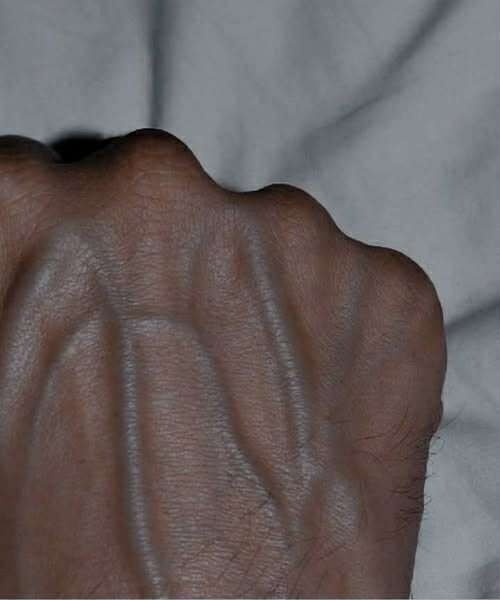
Those blue or greenish lines beneath the skin can sometimes appear suddenly more noticeable than usual, creating an immediate sense of concern or uncertainty. For many people, the first reaction is to question whether something has changed internally or whether these visible veins might be signaling an underlying health issue.
In reality, in a large number of cases, visible veins are a completely normal physical variation and not an indication of disease or danger. The human vascular system is constantly adapting to both internal and external conditions, and small changes in appearance are often part of that normal adjustment process.
Several everyday factors can influence how prominent veins appear beneath the skin.
Lower body fat levels, for example, reduce the layer of tissue that typically obscures blood vessels, making them easier to see. Regular physical activity can also increase blood flow and vascular efficiency, which may temporarily or consistently make veins more visible. Similarly, natural aging leads to gradual thinning of the skin, which can enhance the visibility of underlying structures.
Environmental conditions play a role as well. Warm temperatures can cause blood vessels to expand as part of the body’s temperature regulation system, making veins appear darker or more pronounced. In most of these situations, the change is purely visual and reflects normal physiological responses rather than any form of pathology.
Because of this, visible veins are often more closely related to lifestyle, genetics, and natural body composition than to medical problems.
However, it is also understandable that sudden or unfamiliar changes in appearance can create concern. The human body is highly responsive, and any noticeable shift can feel significant, especially when it is not immediately explained.
While visible veins alone are usually harmless, there are certain accompanying symptoms that may warrant closer attention.
Pain, swelling, or warmth in the affected area can indicate inflammation or circulation-related issues that should be evaluated by a medical professional. Changes in skin color, such as unusual redness, darkening, or paleness, may also signal that something more is occurring beneath the surface.
Additional warning signs include cold sensations in the fingers or toes, persistent discomfort, numbness, or wounds that take longer than expected to heal. When these symptoms appear alongside changes in vein visibility, they should not be ignored.
The key distinction lies not in appearance alone, but in context.
Visible veins without discomfort or functional changes are typically part of normal human variation. Visible veins combined with pain, temperature changes, or mobility issues may require medical assessment.
Understanding this difference is important for maintaining both awareness and perspective.
The body often communicates through subtle visual cues, but not every visible change carries a negative meaning. Many variations simply reflect how circulation, skin structure, and activity levels interact over time.
At the same time, paying attention to unusual or persistent symptoms is a responsible approach to health. Seeking medical advice when something feels wrong is not overreacting—it is a practical step toward ensuring that potential issues are properly evaluated.
Ultimately, visible veins are most often just a reflection of a functioning circulatory system doing exactly what it is designed to do.
The important part is not to focus on appearance alone, but to consider the full picture of how the body feels, functions, and changes over time.