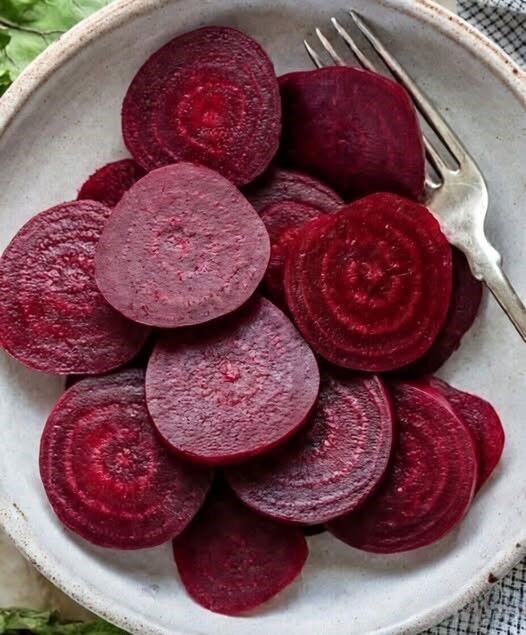
Beets are often referred to as a “superfood,” not because of marketing trends or popularity, but because of their dense nutritional profile and the wide range of physiological benefits they can support when included as part of a balanced diet.
At a biochemical level, one of the most notable properties of beets is their naturally high concentration of dietary nitrates. Once consumed, these compounds are converted by the body into nitric oxide, a molecule that plays an important role in vascular function. Nitric oxide helps relax and widen blood vessels, a process known as vasodilation, which in turn supports smoother blood flow and reduces resistance within the circulatory system. This mechanism can contribute to more efficient oxygen delivery throughout the body.
For this reason, beet consumption has been studied in relation to physical performance. Some athletes report improved endurance and stamina during exercise, particularly in activities that require sustained cardiovascular effort. Improved oxygen utilization and blood flow efficiency are among the key factors believed to contribute to these effects.
Beyond athletic performance, enhanced circulation may also have broader implications for overall health. Adequate blood flow is essential for cognitive function, as the brain relies heavily on a consistent oxygen and nutrient supply. In older adults, improved vascular efficiency is often associated with better mental clarity and support for neurological health, although individual responses can vary.
Beets also contain a significant amount of dietary fiber, particularly when consumed in whole food form rather than as juice. Fiber plays a crucial role in digestive health by supporting regular bowel function and feeding beneficial gut bacteria. A healthy gut microbiome is increasingly recognized as important not only for digestion, but also for immune regulation and metabolic balance.
In addition, fiber contributes to more stable blood sugar levels by slowing the absorption of glucose into the bloodstream. This can help reduce sudden spikes and crashes in energy, promoting a more sustained release of fuel throughout the day.
The characteristic deep red color of beets comes from a group of pigments known as betalains. These compounds have been studied for their antioxidant and anti-inflammatory properties. While research is ongoing, betalains are believed to help the body manage oxidative stress, a process linked to long-term cellular damage and chronic inflammation. They are also associated with supporting the liver’s natural detoxification processes.
Nutritionally, beets provide a range of essential vitamins and minerals. These include folate, which is important for cell growth and repair; potassium, which supports fluid balance and heart function; manganese, which plays a role in metabolism and bone health; and iron, which is essential for oxygen transport in the blood. Together, these nutrients contribute to energy production, nervous system support, and overall cellular maintenance.
However, despite their benefits, beets are not a cure-all solution and should not be viewed as a replacement for comprehensive medical care or a balanced diet. Like any food, their effects depend on context, quantity, and individual health conditions.
For example, beet juice—while concentrated in beneficial compounds—lacks much of the fiber found in whole beets and may lead to quicker rises in blood sugar when consumed in large amounts. Additionally, some individuals may experience harmless but noticeable changes such as reddish discoloration of urine or stool, a condition known as beeturia.
Certain people should also exercise caution. Those with a history of kidney stones may need to moderate intake due to oxalate content, and individuals taking blood pressure medication should be mindful of the potential additive effects on blood pressure regulation.
Ultimately, beets represent a strong example of how whole foods can contribute to health through multiple pathways at once—supporting circulation, digestion, cellular protection, and nutrient balance. Their value lies not in being extraordinary on their own, but in how they interact with the body as part of a consistent and well-rounded nutritional approach.