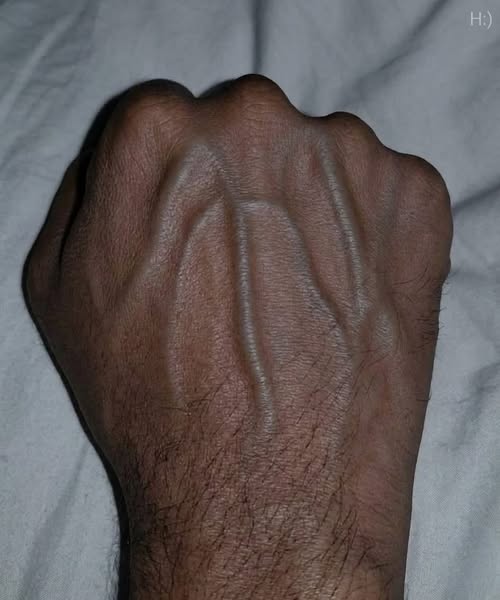
Those blue lines visible beneath the skin can sometimes appear more noticeable than usual, causing concern and prompting questions about whether they could be a sign of an underlying health problem. For many people, the sudden awareness of more prominent veins can be unsettling, especially if they seem darker, larger, or easier to see than they were in the past.
However, in a large number of cases, visible veins are a completely normal part of human anatomy and do not indicate any serious medical issue. Veins carry blood back to the heart and are naturally located close to the surface of the skin in many areas of the body. Depending on a person’s age, body composition, genetics, and overall health, these veins may become more or less noticeable over time.
Several everyday factors can make veins appear more prominent. Individuals with lower body fat percentages often have veins that are easier to see because there is less tissue covering them. Regular physical activity, particularly strength training and endurance exercise, can also increase vein visibility by improving circulation and temporarily enlarging blood vessels during and after exercise. Warm temperatures may have a similar effect, as blood vessels naturally expand to help regulate body temperature.
Aging is another common reason for increased vein visibility. As people grow older, the skin gradually becomes thinner and loses some of its elasticity. This natural process can make underlying veins more apparent, even when circulation remains perfectly healthy. In many instances, what appears to be a sudden change is actually the result of gradual changes that become noticeable over time.
Hydration levels, temporary increases in blood flow, and even individual skin tone can influence how visible veins appear. For some people, these changes may fluctuate from day to day depending on weather conditions, physical activity, and overall health.
While visible veins are usually harmless, it is important to pay attention to accompanying symptoms that could suggest a circulation-related problem. Medical professionals advise seeking evaluation if prominent veins are associated with pain, tenderness, swelling, a feeling of heaviness in the limbs, or significant changes in skin color. These symptoms may indicate conditions that require further assessment and treatment.
Additional warning signs should not be ignored. Persistent coldness in the fingers or toes, wounds that heal unusually slowly, numbness, tingling sensations, or ongoing discomfort may point to circulation issues or other vascular concerns. Although these symptoms do not automatically signal a serious condition, they warrant professional medical attention to determine the underlying cause.
Experts emphasize that the appearance of veins alone is rarely a reason for alarm. The body’s vascular system is highly dynamic and responds constantly to changes in temperature, activity levels, and natural aging processes. Understanding these normal variations can help reduce unnecessary worry while also ensuring that genuine warning signs are recognized when they occur.
Ultimately, visible veins are often simply a reflection of how the body changes over time. Staying aware of new symptoms, maintaining a healthy lifestyle, and consulting a healthcare professional when concerns arise are the most effective ways to protect vascular health and gain peace of mind. In most cases, those blue lines beneath the skin are not a sign that something is wrong—they are simply a reminder of the complex and remarkable network working every day to keep the body functioning properly.